Cult favorite K-beauty serums are defined by three things: proven ingredient science, strong community backing, and authentic sourcing. If you want to identify cult favorite k-beauty serums that actually deliver results, you need to look past viral trends and focus on what the K-beauty community has tested and trusted over time. Products like the Beauty of Joseon Glow Deep Serum and the Torriden DIVE-IN Low Molecular Hyaluronic Acid Serum have earned their status through consistent performance and transparent formulas, not just influencer hype. This guide breaks down exactly what separates a genuine cult pick from a marketing moment.
What ingredients define the best K-beauty serums?
The ingredients inside a serum tell you more than any influencer caption ever will. Cult K-beauty serums earn their reputation because they use well-researched actives at effective concentrations, not because of pretty packaging or a trending hashtag.
Brightening ingredients are the backbone of many top-rated K-beauty products. Rice water delivers antioxidants and mild exfoliation, while alpha arbutin targets dark spots by inhibiting melanin production. The Beauty of Joseon Glow Deep Serum pairs both of these in a formula that retails around $13–$26, making it one of the most accessible brightening serums on the market. That price-to-performance ratio is exactly why it keeps showing up on creator shelves.
Hydration ingredients work differently, and the best formulas use more than one molecular weight of hyaluronic acid. The Torriden DIVE-IN serum uses a multi-weight hyaluronic acid formula that hydrates at different skin depths simultaneously. Single-weight hyaluronic acid sits on the surface. Multi-weight versions actually penetrate, which is why pairing them with barrier-repair ingredients maximizes the benefit.
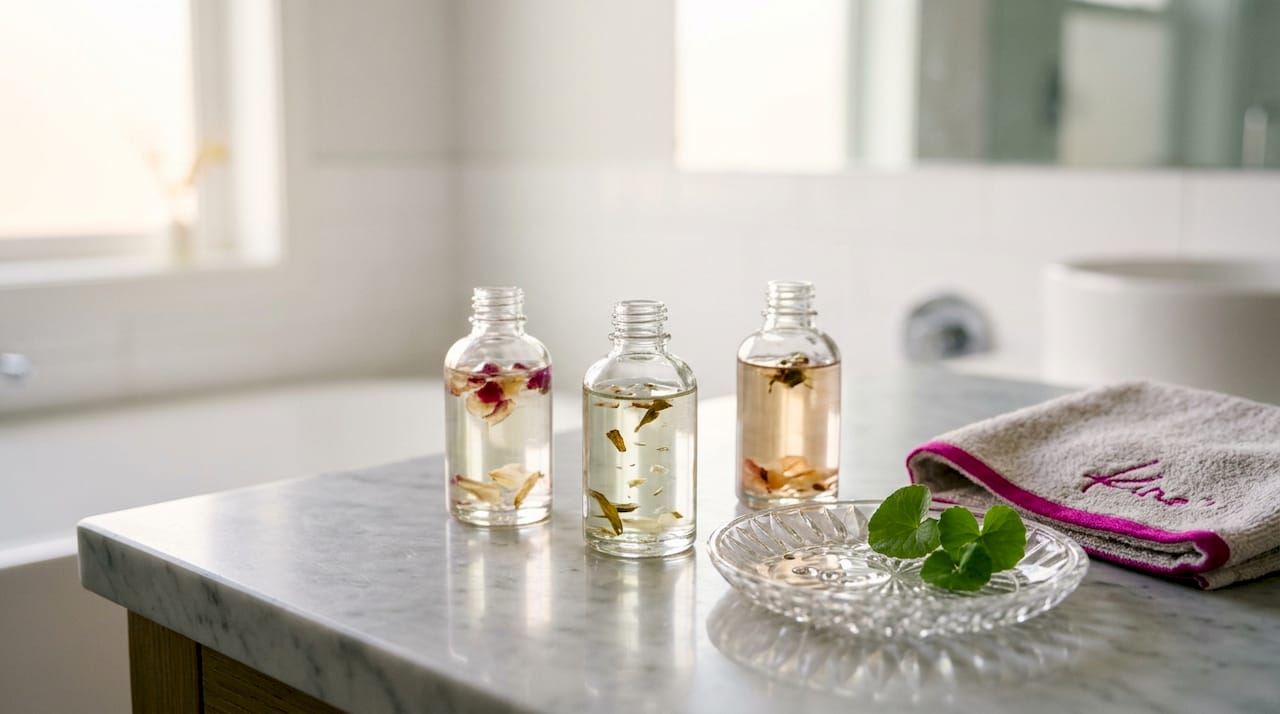
Soothing and barrier-support ingredients matter just as much as actives. Centella asiatica calms redness and strengthens the skin barrier, making it a staple in serums designed for sensitive or reactive skin. Niacinamide and adenosine round out many cult formulas by addressing uneven tone and early signs of aging. The Sulwhasoo First Care Activating Serum, a luxury option with over 25 years of heritage, uses both niacinamide and adenosine and retails around $92 for 90ml.
One ingredient category to avoid: added fragrance. Fragrances are the most common trigger for contact dermatitis in skincare. Cult serums for sensitive skin consistently skip them.
Pro Tip: Check the ingredient list for "parfum" or "fragrance" near the top. If it appears in the first half of the list, the concentration is high enough to cause irritation in sensitive skin.
How do you verify a serum is a genuine cult favorite?
Not every serum with thousands of TikTok views earns the "cult favorite" label. Viral attention fades. Community trust does not.
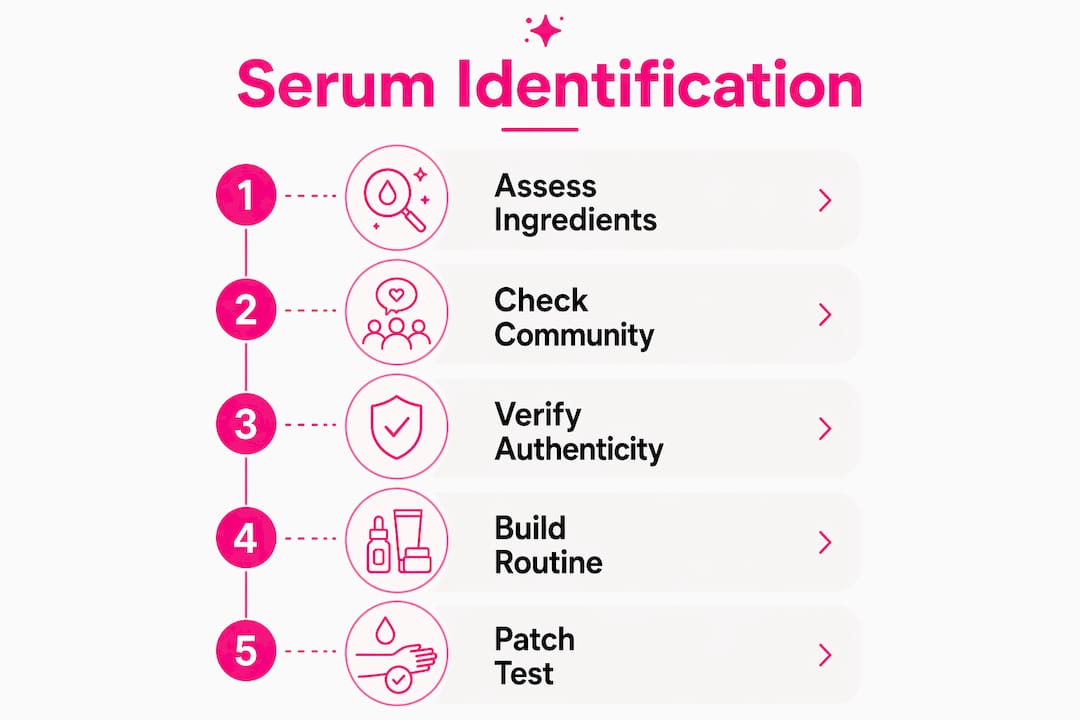
The most reliable way to validate a serum's reputation is through community-driven review platforms like HwaHae and Olive Young. These platforms aggregate long-term user feedback from people who have used the product through multiple bottles, not just a one-week trial. That kind of sustained, repeated purchasing behavior is the clearest signal that a serum actually works.
Here is a practical process for verifying a serum before you buy:
- Search HwaHae or Olive Young for the product name and read reviews filtered by skin type similar to yours.
- Check the purchase date range of reviews. A serum with consistent five-star reviews over two or more years is far more credible than one with a spike of reviews in a single month.
- Look for verified purchase badges on any retail platform you use. Unverified reviews are easy to fake.
- Cross-reference with creator reviews on platforms like Thepicks, where every product is tested by real beauty creators before it appears in a shop.
- Avoid unverified marketplaces for cult serums. Many users report finding fake or diluted versions of popular serums like the Haruharu Black Rice Serum on Amazon. Counterfeits are a real problem in the K-beauty space.
Effective identification of high-quality serums depends on community-backed review data rather than viral short-term trends. A serum that has maintained strong ratings across thousands of verified reviews over multiple years is the definition of a cult favorite.
Pro Tip: When in doubt, buy directly from the brand's official site or a verified K-beauty retailer. Olive Young ships internationally and is one of the most trusted sources for authentic Korean skincare.
How to build a routine with must-have K-beauty serums
Knowing which serums to buy is only half the work. How you layer them determines whether you get results or just an expensive mess on your face.
The layering rule in Korean skincare is simple: apply from thinnest to thickest texture and limit yourself to two or three serums per session. More than three serums at once reduces absorption and increases the risk of pilling or irritation. A functional K-beauty glass skin routine costs roughly $40–$80 per month from standard Korean retailers, which is significantly less than most Western luxury regimens.
Here is a practical morning and evening routine using two of the most trusted cult serums:
- Cleanse with a gentle, pH-balanced cleanser.
- Tone with a hydrating toner or essence to prep the skin barrier.
- Apply Torriden DIVE-IN serum first (thinnest texture, pure hydration focus).
- Follow with Beauty of Joseon Glow Deep Serum (slightly thicker, targets brightening).
- Seal with moisturizer to lock in both serums.
| Session | First Serum | Second Serum | Purpose |
|---|---|---|---|
| Morning | Torriden DIVE-IN | Beauty of Joseon Glow Deep | Hydration + brightening |
| Evening | Torriden DIVE-IN | Repair or barrier serum | Hydration + overnight recovery |
| Active nights | Retinol serum | Skip vitamin C entirely | Avoid irritation from conflicting actives |
Vitamin C and retinol should never be layered in the same session. Use vitamin C in the morning for antioxidant protection and retinol on separate evenings to avoid barrier damage.
Pro Tip: Apply each serum to slightly damp skin. Hyaluronic acid draws moisture from the environment, so damp skin gives it something to work with and improves absorption.
How do you choose the right K-beauty serum for your skin type?
The best K-beauty serum for you depends on your skin's specific needs, not what is trending. Matching the formula to your skin type prevents wasted money and unnecessary breakouts.
- Dry skin benefits most from multi-weight hyaluronic acid serums like Torriden DIVE-IN, paired with a ceramide-rich moisturizer to seal in hydration.
- Oily or acne-prone skin responds well to niacinamide-based serums, which regulate sebum production without clogging pores. Look for lightweight, water-based textures.
- Sensitive skin needs fragrance-free, minimal-ingredient formulas. Centella asiatica serums are a reliable starting point because the ingredient has a strong safety record.
- Hyperpigmentation concerns call for alpha arbutin or vitamin C serums. Both work on melanin production but through different pathways, so they can be used on alternating days for better results.
- Combination skin does well with layering: a hydrating serum on dry zones first, then a targeted serum applied only where needed.
Patch testing is non-negotiable when you try a new formula. Active ferment ingredients, like those in Mixsoon Bean Essence, smooth skin texture for many people but can trigger breakouts in sensitive users. Apply a small amount to your inner arm for 48 hours before adding any new serum to your face routine.
Consistency matters more than variety. Most serums require four to six weeks of daily use before visible changes appear. Switching products every two weeks prevents you from ever seeing real results.
Pro Tip: Keep a simple skincare log for the first month with any new serum. Note your skin's texture, hydration level, and any reactions every few days. Patterns become obvious quickly, and you will know whether to continue or stop.
Key Takeaways
Cult favorite K-beauty serums earn their status through proven ingredients, verified community reviews, and consistent results over time, not through viral moments.
| Point | Details |
|---|---|
| Ingredient quality is the baseline | Look for multi-weight hyaluronic acid, alpha arbutin, centella asiatica, and niacinamide in any serum you consider. |
| Community reviews beat viral trends | Platforms like HwaHae and Olive Young provide long-term, verified feedback that short-term social media hype cannot match. |
| Authenticity requires verified sourcing | Buy from official brand sites or established K-beauty retailers to avoid counterfeit or diluted products. |
| Layering order determines results | Apply thinnest to thickest, limit to two or three serums per session, and never mix vitamin C and retinol in the same routine. |
| Skin type guides your selection | Match the serum's active ingredients to your specific concerns rather than chasing whatever is trending. |
What I have learned after years of watching the K-beauty market
The K-beauty serum space rewards patience and skepticism in equal measure. I have watched dozens of "viral" serums explode on social media and disappear within a year. The ones that stick around, like the Beauty of Joseon Glow Deep Serum and the Torriden DIVE-IN, stick around because they work for a wide range of skin types at a price that does not require justification.
The shift toward ingredient-conscious consumers in 2026 is the most encouraging trend I have seen in this space. People are reading ingredient lists, cross-referencing community reviews, and asking harder questions before they buy. That behavior produces better results than any algorithm-driven recommendation ever could.
One thing I push back on: the idea that affordable serums are automatically inferior to luxury ones. The Sulwhasoo First Care Activating Serum is genuinely excellent, but its value comes from decades of formulation refinement, not its $92 price tag. Meanwhile, a $15 Torriden serum outperforms many products at three times the cost because the formula is built around a specific, well-understood mechanism. Price is not a proxy for quality in K-beauty.
My honest advice: pick two serums that address your top two skin concerns, use them consistently for six weeks, and evaluate based on your own skin's response. The creator-reviewed picks on Thepicks are a reliable starting point because every product has been tested by someone who actually uses it, not just promoted for a fee.
— Minwoong
Thepicks makes finding authentic K-beauty serums easier
Sorting through hundreds of K-beauty serums on your own takes time you probably do not have. Thepicks connects you directly with beauty creators who have already done the testing.
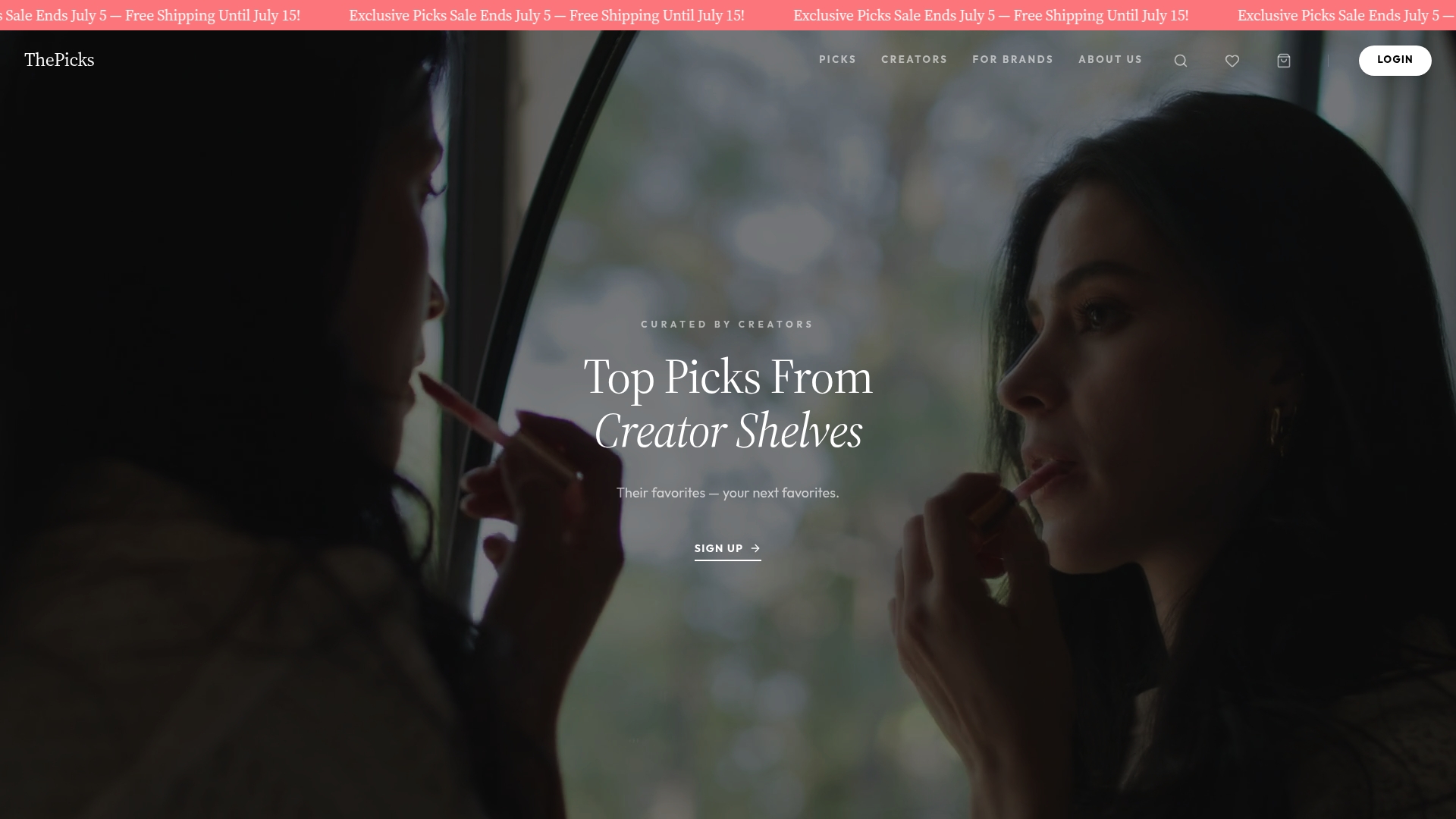
Every serum on Thepicks has been reviewed and recommended by a real creator, which means you are not guessing about whether a formula actually works. You can browse top creator picks organized by skin concern, ingredient focus, and routine type. Creators like Haley Gansel and Cindy Nguyen share their full routines alongside the products they recommend, so you can see exactly how a serum fits into a real skincare practice. Thepicks ships directly to US customers, so you get the authentic product without the counterfeit risk.
FAQ
What makes a K-beauty serum a "cult favorite"?
A cult favorite K-beauty serum has sustained strong community reviews over multiple years, uses proven active ingredients, and maintains consistent repurchase rates. Viral attention alone does not qualify a product.
Are affordable K-beauty serums as effective as luxury ones?
Affordable serums like the Torriden DIVE-IN and Beauty of Joseon Glow Deep Serum regularly outperform luxury options because their formulas are built around specific, well-researched mechanisms rather than marketing. Price does not determine effectiveness.
How many K-beauty serums should I use at once?
The standard Korean skincare layering rule recommends no more than two or three serums per session, applied from thinnest to thickest texture. Using more than three at once reduces absorption and increases irritation risk.
Where is the safest place to buy authentic K-beauty serums in the US?
Buy from official brand websites, established retailers like Olive Young, or creator-vetted platforms like Thepicks. Many popular serums have counterfeit versions circulating on unverified marketplaces.
How long does it take to see results from a K-beauty serum?
Most K-beauty serums require four to six weeks of consistent daily use before visible improvements appear. Switching products before that window closes prevents accurate evaluation of the formula's effectiveness.