
Rating K-beauty products by skin results means measuring visible, trackable changes in hydration, texture, and pigmentation against a clear timeline. The Korean skincare philosophy centers on barrier health and prevention rather than aggressive correction, which changes how you evaluate what's actually working. Knowing how to rate K-beauty products skin results accurately requires understanding ingredient science, realistic timelines, and how to read creator reviews critically. Thepicks connects US shoppers with creator-tested Korean beauty products, so every rating you see there comes from real use, not guesswork.
How long does it take to see K-beauty skin results?
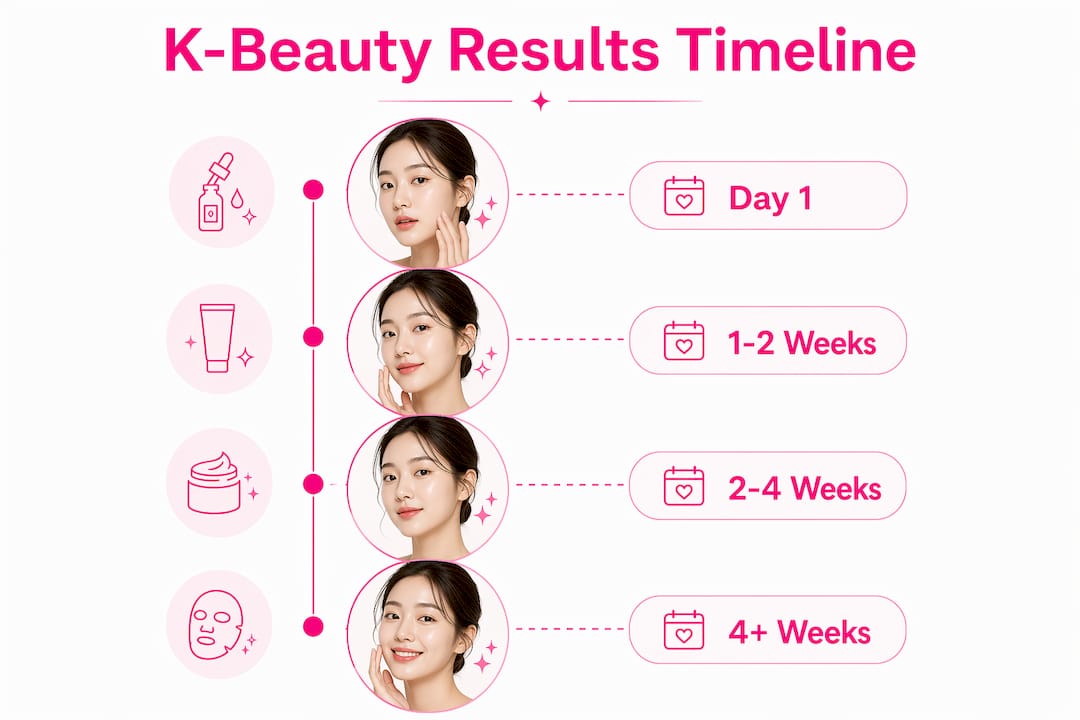
K-beauty products deliver results in distinct timeframes, not all at once. That structure matters because it tells you exactly when to judge a product and when to give it more time.
The three main result windows break down like this:
- Immediate hydration (day 1): Humectant-rich essences and toners show plumping effects on first use. This is surface-level moisture, not a structural change.
- Texture improvement (1–2 weeks): Cell turnover and gentle exfoliation from acids begin smoothing rough patches. You will notice softer skin and reduced dryness within this window.
- Pigmentation fading (4–8 weeks): Brightening actives like niacinamide need consistent use over weeks to reduce dark spots and uneven tone. Expecting faster results leads to unfair ratings.
- Acid toner benchmarks (30 days): Products like AHA/BHA/PHA toners are designed around a 30-day cycle. Judging them before that mark misses their intended effect.
The cumulative nature of K-beauty is the key point. Barrier-focused routines build results slowly and sustain them longer than fast-acting corrective products. A product that looks unremarkable at week one may deliver clear improvement by week six.
Pro Tip: Take a photo in the same lighting on day one, day 14, and day 30. Side-by-side comparisons reveal changes your Daily Mirror check will miss.
Which ingredients actually drive K-beauty effectiveness?
The best K-beauty products for skin improvement share a short list of well-researched actives. Viral trends don't always reflect scientific rationale, so anchoring your ratings to specific ingredients protects you from hype.
Here are the ingredients with the strongest evidence behind them:
- Niacinamide at 5%: The gold standard for brightening and barrier support. At this concentration, it reduces hyperpigmentation, minimizes pores, and strengthens the skin barrier without irritation.
- Centella asiatica: A plant extract with proven anti-inflammatory and wound-healing properties. Products featuring centella work well for acne-prone or sensitized skin.
- Ceramides and fatty acids: These rebuild the lipid barrier directly. Ceramide-rich moisturizers are especially effective after acid use or during cold weather.
- Gentle acids (AHA, BHA, PHA): Exfoliate dead skin cells and improve texture over time. PHAs are the gentlest option for sensitive skin types.
- Humectants (hyaluronic acid, glycerin): Draw water into the skin and hold it there. These deliver the immediate plumping effect you feel on first use.
Not every K-beauty ingredient is gentle. Fermented extracts and snail mucin can trigger reactions in sensitive skin. If you notice redness or stinging within 48 hours of adding a new product, the ingredient list is your first place to investigate.
Pro Tip: Check the ingredient list for niacinamide's position. If it appears in the first five ingredients, the concentration is likely high enough to deliver real brightening results.
How to interpret creator reviews and personal skin results
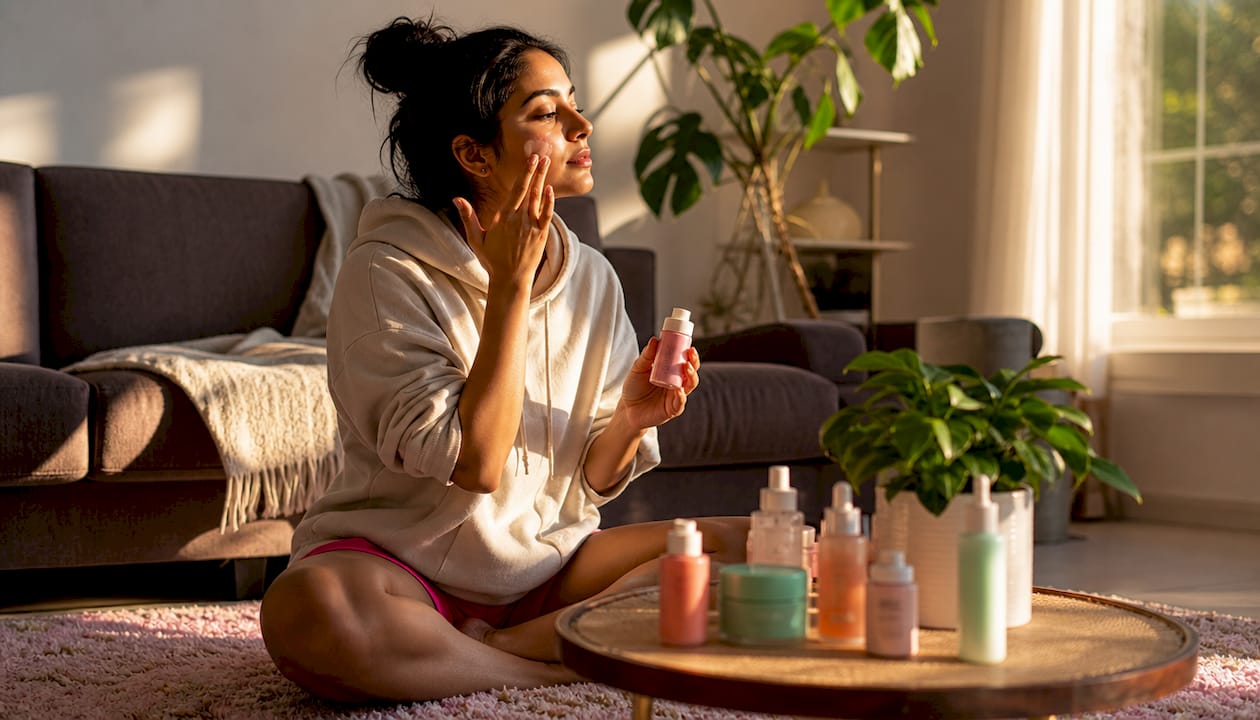
Creator reviews are one of the most useful inputs for K-beauty product ratings, but only when you read them with the right filter. The goal is separating genuine skin improvement data from promotional content.
- Check for timeline specificity. A review that says "my skin looked better after three weeks of daily use" is more credible than "this product changed my skin." Specific timeframes signal real testing.
- Look for routine context. A creator who lists every product in their routine gives you better data. Results from a single product used alongside ten others are harder to isolate.
- Identify the skin type match. A review from someone with oily, acne-prone skin tells you less if you have dry, sensitive skin. Filter for reviewers whose skin profile matches yours.
- Distinguish purging from a bad reaction. Acid-based toners cause mild purging in the first 1–2 weeks. New breakouts during this window are often normal. Persistent irritation, flaking, or burning is not.
- Track your own results in parallel. A skincare journal or photo log gives you personal data that no review can replace. Note application frequency, any new products added, and how your skin feels each week.
Streamlined 3–5 product routines produce results that are scientifically comparable to 10-step routines with less irritation risk. That finding matters when you evaluate reviews: a creator using fewer products gives you cleaner data on what each one actually does.
Common mistakes that skew K-beauty product ratings
Inaccurate ratings usually come from the same set of avoidable errors. Recognizing them makes your own evaluations sharper and helps you read other people's reviews more critically.
- Expecting overnight results. K-beauty's clinical strength lies in barrier longevity and gradual improvement, not fast correction. Rating a product poorly after three days is like judging a workout program after one session.
- Mixing incompatible products. Layering a vitamin C serum with a niacinamide product, or using multiple acids in one routine, can cause irritation that gets blamed on a single product. Introduce one new product at a time.
- Skipping sunscreen. K-beauty sunscreens are formulated with watery, non-greasy textures specifically to encourage daily use. Skipping SPF while using brightening actives actively reverses their effects. Any rating that ignores sunscreen use is incomplete.
- Following viral trends without checking ingredients. A product with 10 million TikTok views is not automatically effective. Check the active ingredients against the evidence before buying.
- Inconsistent application. Using a product three times one week and once the next produces no reliable data. Consistency is the baseline requirement for any fair rating.
"The most common rating mistake I see is judging a K-beauty product at the two-week mark when the formula was designed for a 30-day cycle. You're grading the test before the exam is over."
Key Takeaways
Accurate K-beauty product ratings require matching your expectations to the product's actual timeline, ingredient profile, and your own skin type.
| Point | Details |
|---|---|
| Follow result timelines | Hydration shows day one; texture improves in 1–2 weeks; pigmentation fades after 4–8 weeks. |
| Prioritize proven ingredients | Niacinamide at 5%, centella asiatica, and ceramides have the strongest evidence for real skin improvement. |
| Read creator reviews critically | Look for timeline specificity, skin type match, and full routine context before trusting a rating. |
| Never skip sunscreen | Skipping SPF cancels the effects of brightening actives and produces misleading product ratings. |
| Track your own progress | Photos and journals give you personal data that separates your skin's response from general reviews. |
What I've learned from rating K-beauty products over time
The biggest shift in how I evaluate K-beauty products came when I stopped treating them like Western corrective skincare. Western formulas often promise visible results in 72 hours. K-beauty works on a different contract entirely. The results are real, but they show up on the skin's schedule, not yours.
Layering matters more than any single product. The "glass skin" effect that everyone chases depends on applying lightweight, humectant-rich products in the correct order. Skip the essence or apply your moisturizer before your toner, and you will not see the same outcome. That is not a product failure. That is a routine failure.
I have also learned to be skeptical of my own early reactions. The first week with a new acid toner often feels like a step backward. Skin looks slightly congested, maybe a little rough. Sticking through that phase and reassessing at the 30-day mark has changed how I rate products completely. Products I would have dismissed at day 10 became staples by day 35.
The trend problem is real. I have bought products because a creator with 2 million followers raved about them, only to find the ingredient list was mostly fragrance and filler. Now I check the actives first and watch the review second. That order makes a significant difference in what ends up in my routine.
My honest recommendation: give every new K-beauty product a minimum of four weeks of consistent daily use before forming an opinion. Track it. Photograph it. Then rate it.
— Minwoong
Curated K-beauty picks with real skin results on Thepicks
Thepicks takes the guesswork out of finding products that actually deliver.

Every product on Thepicks creator picks is tested and reviewed by real beauty creators before it reaches you. You can browse picks from creators like Annika Titcomb and Brittany Imoh, who share honest timelines and skin type context with every recommendation. Highly rated K-beauty staples on the platform sit in the $15–$25 range, with regular discounts making it easy to build a full routine without overspending. If you are starting fresh, the Differ & Deeper starter pack is a practical entry point with visible results built into the formula.
FAQ
How long should I test a K-beauty product before rating it?
Test most K-beauty products for at least 30 days with consistent daily use. Pigmentation and barrier improvements require 4–8 weeks to show measurable change.
What ingredients should I look for in top-rated K-beauty products?
Niacinamide at 5%, centella asiatica, ceramides, and gentle acids like PHA are the most evidence-backed actives for real skin improvement.
How do I tell if a creator K-beauty review is trustworthy?
Look for reviews that include specific timelines, full routine context, and a skin type match to yours. Vague claims without timeframes are a sign of promotional content.
Why do K-beauty acid toners sometimes make skin worse at first?
Mild purging during the first 1–2 weeks is a normal response to acid-based toners. Persistent burning or flaking beyond that window signals an incompatibility, not a purging phase.
Does skipping sunscreen affect K-beauty results?
Skipping SPF directly reverses the effects of brightening actives like niacinamide. Daily sunscreen use is not optional in any K-beauty routine aimed at real skin improvement.