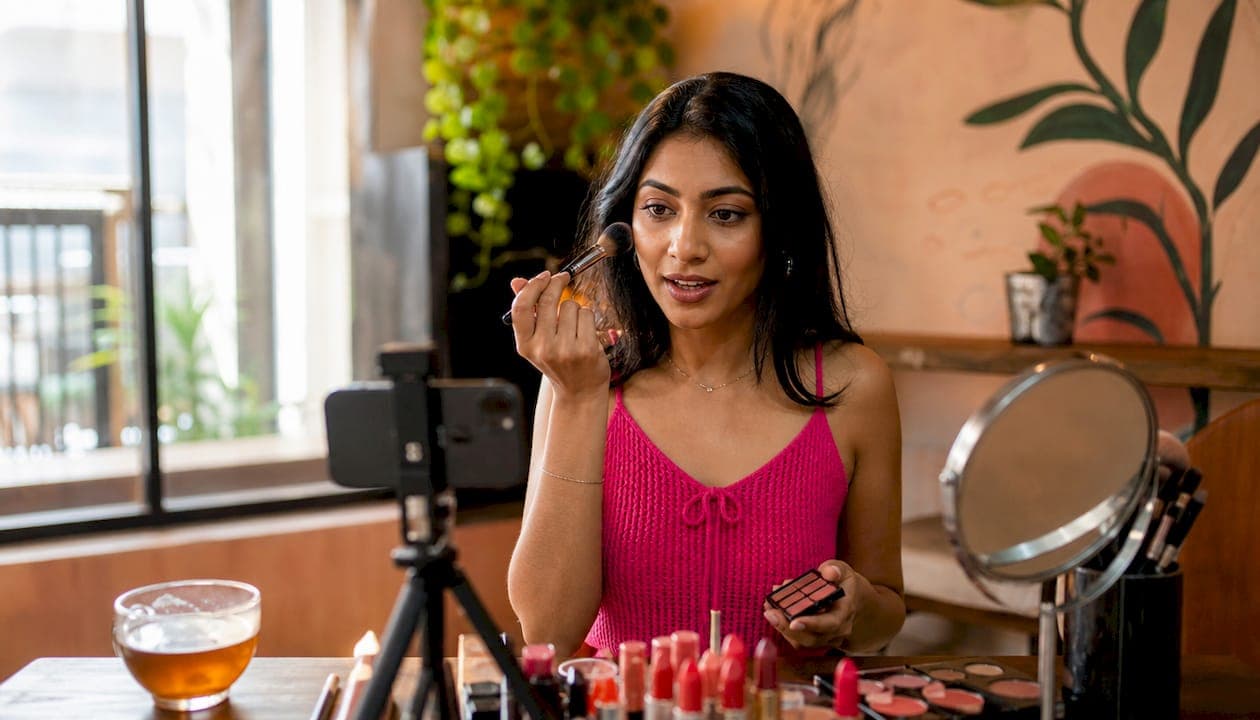
Beauty creator content is authentic media produced by individuals who shape how consumers discover, evaluate, and purchase beauty products. This format has moved from niche hobby to marketing backbone: 94% of beauty brands now use creator content in social media advertising. The beauty and wellness market has expanded by 45% as of late 2025, and that growth tracks directly with how creator content has evolved. Understanding what is beauty creator content means understanding who makes it, what forms it takes, and why it drives purchasing decisions more effectively than traditional advertising.
What is beauty creator content, and what forms does it take?
Beauty creator content is any video, photo, written post, or interactive media made by an individual to educate, entertain, or inspire an audience around beauty products and routines. The beauty content definition covers a wide range of formats, and each one serves a different purpose for the audience watching it.
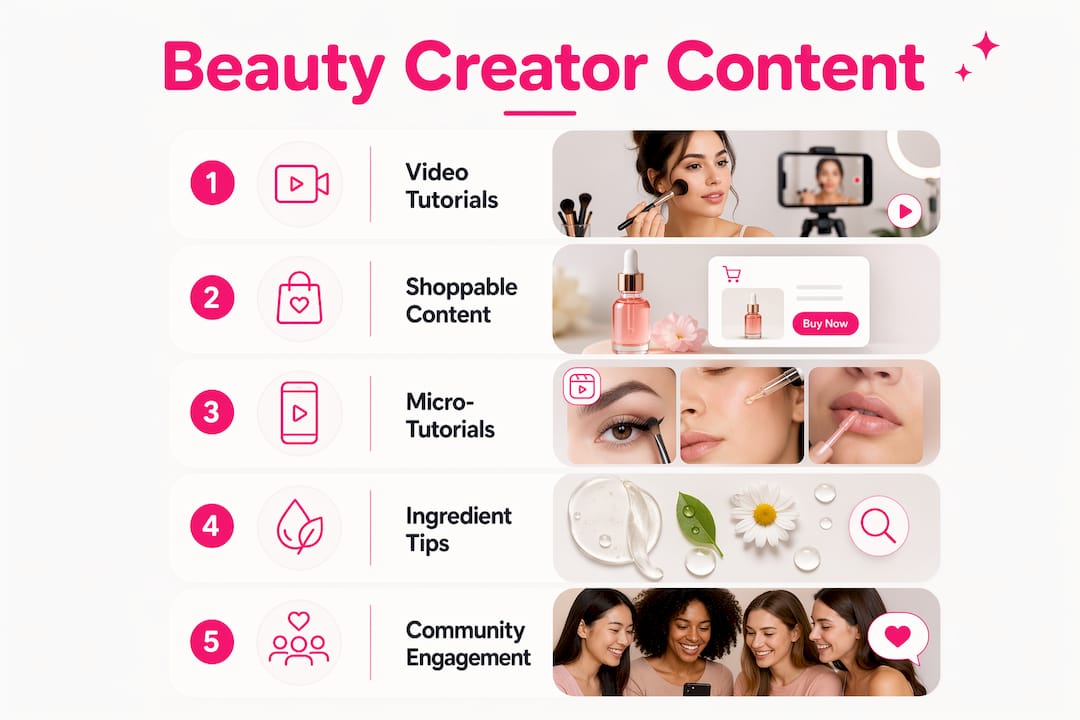
Video tutorials and product demonstrations
Video remains the dominant format. Tutorials walk viewers through application techniques step by step. Product demonstrations show texture, finish, and real-world performance in ways that a brand's product page cannot. Transformation videos, where a creator shows a before and after using a specific product, generate some of the highest engagement because the result is immediate and visual. Independent vloggers created 86% of the top 200 beauty videos on YouTube, which shows how much audience trust sits with individual creators rather than brand channels.
Shoppable content and AR integration
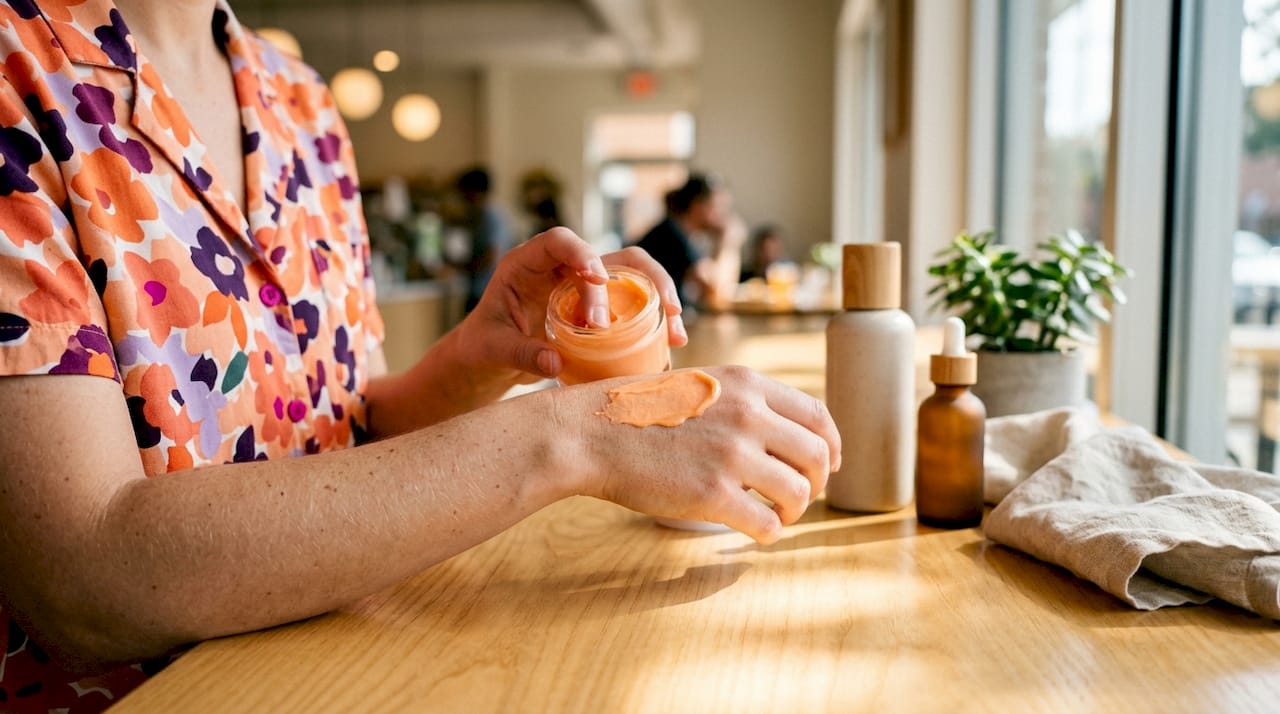
Shoppable beauty content integrates direct purchase options inside videos, livestreams, and blog posts. Augmented reality tools let viewers virtually try on a lip color or foundation shade without leaving the content. This format reduces the gap between discovery and purchase, and it lowers return rates because shoppers make more confident decisions. AR try-on tools embedded in creator content are now a standard feature on major social platforms.
Micro-tutorials and ingredient intelligence
High-performing beauty content functions as a reusable reference, not a one-time watch. Micro-tutorials under 90 seconds target one specific problem, such as how to apply a glass skin toner or layer a retinol correctly. Ingredient intelligence content breaks down what a formula actually contains and why it works, which appeals to a growing audience of informed shoppers who want science-backed explanations alongside aesthetic results.
| Content format | Creator's role | Audience served |
|---|---|---|
| Full-length tutorial | Educator and demonstrator | Beginners learning techniques |
| Micro-tutorial | Problem solver | Shoppers with a specific concern |
| Product demo or haul | Reviewer and tester | Buyers researching before purchase |
| Shoppable video or livestream | Curator and seller | Active shoppers ready to buy |
| Ingredient breakdown | Analyst and educator | Ingredient-conscious consumers |
| ChattyGRWM | Storyteller and entertainer | Engaged community members |
Pro Tip: When searching for beauty content ideas, look for micro-tutorial formats first. They answer one question completely, which makes them far more useful than a 20-minute tutorial covering ten products at once.
How has beauty creator content changed marketing and consumer behavior?
Beauty creator content has fundamentally shifted who consumers trust when making purchasing decisions. Brand-produced advertising still exists, but boosted creator content delivers 86% more impressions than brand-produced creative. That gap exists because creator content feels personal, not promotional.
The trust factor in authentic storytelling
Beauty creators build emotional bonds with their audiences through relatable techniques and honest storytelling. A creator who shows a product failing on their skin type is more credible than one who only shows perfect results. That honesty drives informed purchasing without the audience feeling sold to. Consumers feel seen when a creator shares their actual skin concerns, not a curated ideal.
The shift from perfection to purpose
Beauty content has moved away from aspirational perfection toward inclusivity and science-backed storytelling. Creators now discuss skin barriers, hyperpigmentation, and ingredient interactions in plain language. This shift reflects what 48% of consumers now prefer: active participation in learning about products rather than passively watching polished ads. The audience wants to understand the "why" behind a recommendation, not just see the result.
The importance of beauty content for brands goes beyond reach. High-performing creator content becomes a reusable asset. A well-made tutorial from a trusted creator stays relevant for months and continues driving traffic and sales long after its original post date.
- Creator content builds trust through personal experience and honest reviews
- Micro-tutorials and ingredient breakdowns serve informed shoppers who research before buying
- Shoppable formats reduce friction between discovery and purchase
- Participatory formats like polls, Q&As, and live sessions turn passive viewers into active community members
- Documented content strategies help brands align creator output with customer journey stages
Pro Tip: Brands with documented content strategies experience nearly 3x higher ROI than those without one. If you are a creator working with brands, ask for a content brief that maps your content to a specific stage of the buyer's journey.
What distinguishes a beauty influencer from a creator and a UGC creator?
These three roles overlap but serve different functions. Knowing the difference helps you evaluate whose content to trust and why.
-
Beauty content creator. A beauty content creator builds an owned audience on one or more platforms. Their content reflects a consistent personal voice, aesthetic, and area of expertise. Their income comes from brand partnerships, affiliate commissions, and platform monetization. Creators like those featured on Thepicks test products personally and share honest routines with their followers.
-
Beauty influencer. A beauty influencer is a subset of creator who carries enough audience size and cultural weight to set trends and influence product launches. The term "what is beauty influencer" often gets used interchangeably with "creator," but the distinction matters. Influencers drive demand at scale. They can sell out a product within hours of posting. Their power comes from the size and loyalty of their audience.
-
UGC creator. UGC creators produce brand-specific content under a brand brief. They do not need a large following. Brands hire them to create authentic-looking videos and photos for use on the brand's own channels. A UGC creator may never post the content on their personal account. Their value is in producing content that looks organic but is fully controlled by the brand.
-
Where the roles overlap. A creator can also be a UGC creator for a brand while maintaining their own independent channel. An influencer can produce UGC-style content as part of a paid campaign. The key difference is audience ownership. Creators and influencers own their audiences. UGC creators own their production skills.
-
Why the distinction matters for consumers. When you watch a creator's honest review on their personal channel, that content reflects their genuine experience. When you see a polished video on a brand's Instagram, it may be UGC produced under a strict brief. Both formats have value, but they carry different levels of independence.
How can you engage with and benefit from beauty creator content?
Beauty creator content is most useful when you know how to read it critically and use it to make better purchasing decisions.
Finding trustworthy creators
Look for creators who show product failures alongside successes. A creator who only posts glowing reviews is likely working under strict brand agreements. Creators who discuss ingredient lists, explain why a product works for their skin type, and acknowledge limitations are more reliable guides. Thepicks features creators like Annika Titcomb and Brittany Imoh, who share tested picks from their actual routines rather than curated brand placements.
Using shoppable content and AR tools
Shoppable content removes the research gap. When a creator links directly to a product within their video or post, you can check ingredients, read reviews, and purchase without losing context. AR try-on tools let you test a shade or finish virtually before committing. These tools are most useful for makeup purchases where color matching matters.
Participatory formats for personalized learning
Participatory formats like live Q&As, comment-driven tutorials, and community polls let you ask specific questions about your skin type or concerns. This is fundamentally different from watching a passive tutorial. You get answers tailored to your situation, not a generic demonstration.
Pro Tip: Use micro-tutorials to build a personalized routine. Search for content that addresses your specific concern, such as "how to layer niacinamide and vitamin C," rather than broad tutorials. You will find more precise, useful guidance and avoid the ingredient conflicts that generic routines miss.
Key Takeaways
Beauty creator content drives consumer trust and purchasing decisions more effectively than brand-produced advertising because it combines authentic storytelling, personal expertise, and direct product access.
| Point | Details |
|---|---|
| Beauty content definition | Authentic media by individuals who educate and influence beauty purchasing decisions. |
| Creator vs. influencer vs. UGC | Creators build audiences, influencers set trends at scale, UGC creators produce brand-directed content. |
| Marketing impact | Boosted creator content delivers 86% more impressions than brand-produced ads. |
| Consumer engagement | 48% of consumers prefer participatory formats over passive tutorials. |
| Best content formats | Micro-tutorials and ingredient breakdowns drive the most reusable, long-term engagement. |
Why I think the "perfect tutorial" era is finally over
The beauty content I find most effective right now is not the most polished. It is the most honest. Creators using ChattyGRWM formats that add candid commentary while applying products consistently outperform highly edited tutorials with perfect lighting and zero personality. Watch time goes up when a creator talks about why a product broke them out before they figured out the right application order. That kind of content builds real trust.
The brands getting the best results from creator partnerships are the ones giving creators room to speak in their own voice. Creator briefs that define brand truths and emotional tone without scripting every word produce content that feels genuine. The ones that over-control the message end up with content that looks sponsored and reads as hollow.
My prediction is that shoppable, interactive, and personalized content will dominate the next phase of beauty media. The creators who build communities around shared skin concerns, ingredient obsessions, or specific routines will outlast the ones chasing follower counts. Authentic storytelling paired with aesthetic consistency is the combination that drives both engagement and loyalty. The community-building power of beauty creators is not a side effect of good content. It is the point.
— Minwoong
Thepicks: where creator-tested beauty products are one click away
Real creator content should lead to real product recommendations, not endless scrolling through unverified reviews. Thepicks connects US shoppers with Korean beauty products that actual creators have tested and stand behind.
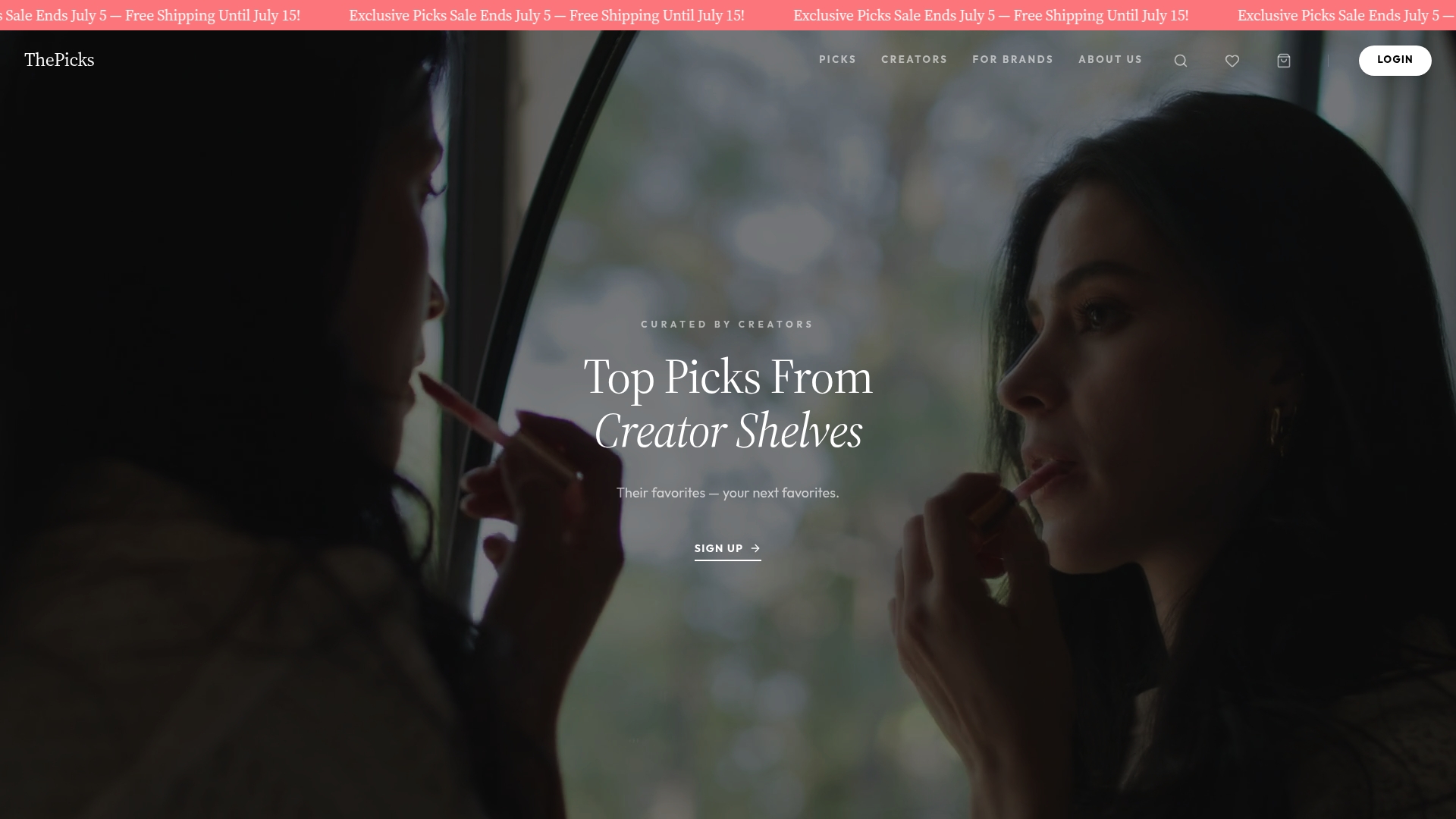
Every product on Thepicks creator picks comes from a creator's real shelf, not a brand's wish list. You can browse picks by creator, skin concern, or product category and shop directly without losing the context of why a creator recommended it. Creators like Alexandra Martinez Rodriguez share their full routines alongside specific product picks, so you understand exactly how each product fits into a real regimen. If you are ready to move from watching beauty content to actually buying products that work, Thepicks is where that starts.
FAQ
What is beauty creator content?
Beauty creator content is authentic media produced by individuals who educate and influence audiences around beauty products, techniques, and trends. It includes video tutorials, product reviews, micro-tutorials, shoppable videos, and ingredient breakdowns.
How does beauty creator content differ from brand advertising?
Creator content reflects personal experience and independent opinion, while brand advertising is produced and controlled by the brand. Boosted creator content delivers 86% more impressions than brand-produced ads because audiences trust individual voices more than corporate messaging.
What is a UGC creator in beauty?
A UGC creator produces brand-directed content under a brief, typically for use on the brand's own channels rather than their personal account. Unlike beauty influencers or content creators, UGC creators do not need a large following to work with brands.
How do I find trustworthy beauty creator content?
Look for creators who show honest results, discuss ingredient details, and acknowledge when products do not work for their skin type. Platforms like Thepicks feature creators who test products personally before recommending them.
Why does beauty creator content matter for purchasing decisions?
Beauty creator content builds trust through relatable storytelling and real-world product testing. With 48% of consumers preferring participatory engagement over passive tutorials, creator content has become the primary way shoppers research and decide on beauty purchases.