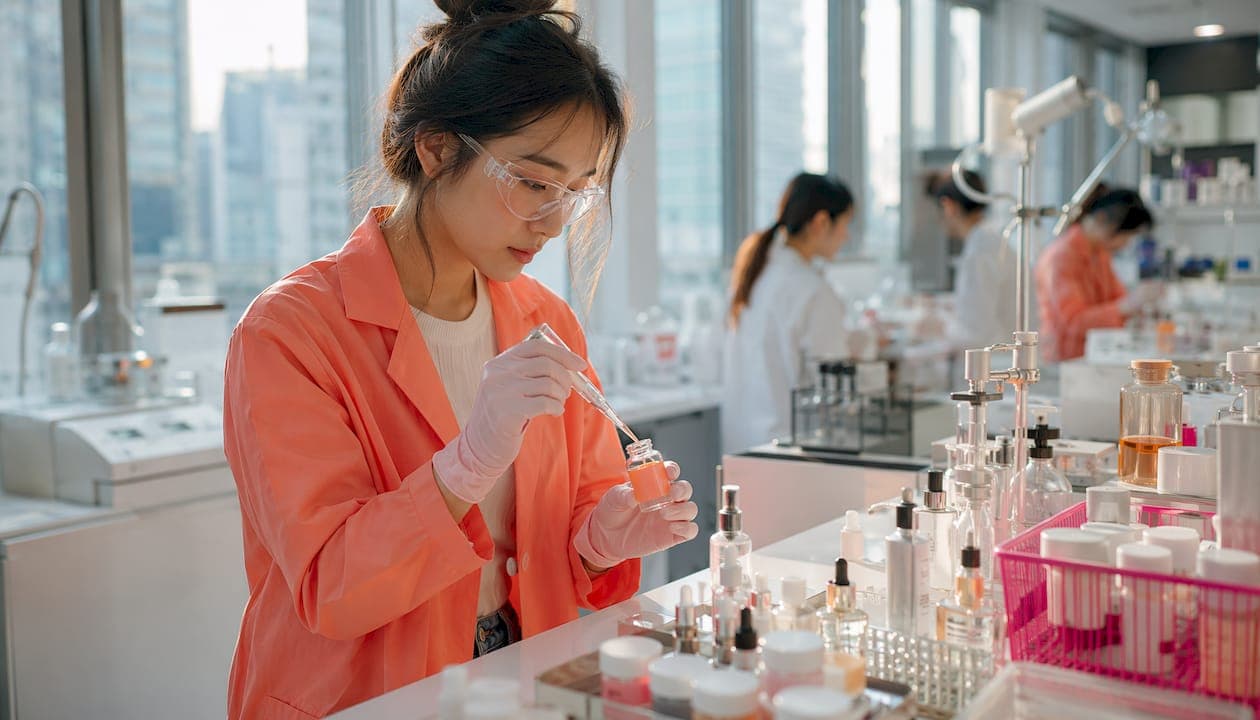
The k-beauty ingredient trends creators follow in 2026 center on one clear shift: regenerative skincare has replaced the old hydration-first playbook. The ingredients getting the most creator attention right now are:
- PDRN (polydeoxyribonucleotide): salmon-derived, barrier-supportive, and a genuine clinical-grade active now in mass-market serums and ampoules
- Exosomes: extracellular vesicles that carry proteins and signaling molecules to support cell repair and skin renewal
- Spicules: microscopic marine-sponge structures marketed as "liquid microneedling" for deeper active penetration
- Fermented ingredients: galactomyces, bifida ferment lysate, and rice ferment, engineered for better bioavailability
- Biomimetic peptides: next-generation peptides that mimic natural skin processes to support collagen and elasticity
- Snow mushroom (Tremella fuciformis): a hydrating botanical with antioxidant properties
- Probiotics and bio-enzymes: microbiome support and gentle exfoliation in one
- Centella Asiatica (cica): the barrier-repair staple, now spotlighted for its active compound madecassoside
- Vegan PDRN: fermentation-derived alternatives to salmon-sourced PDRN, gaining traction in clean-beauty lines
- NAD and NMN: longevity-focused biotech actives crossing over from the wellness world into skincare
These ingredients show up in serums, recovery ampoules, sheet masks, calming toners, and overnight creams. What ties them together is a philosophy of "slow aging": support skin function over time rather than aggressively fix it.
Table of Contents
- What K-beauty ingredient trends creators follow: exosomes, PDRN, and spicules
- How fermented ingredients and biomimetic peptides are redefining barrier care
- Snow mushroom, probiotics, and Centella Asiatica: the botanicals creators keep reaching for
- Why K-beauty's layering philosophy resonates with US shoppers in 2026
- How creators and Thepicks bring these trends to US shoppers
- Thepicks makes it easy to shop the ingredients creators actually use
- Key Takeaways
What K-beauty ingredient trends creators follow: exosomes, PDRN, and spicules
Exosomes are the most talked-about ingredient category heading into 2026. They are tiny extracellular vesicles that help cells communicate by carrying proteins, peptides, and signaling molecules, and K-beauty labs have moved them from clinical aesthetics into consumer serums and ampoules faster than any Western brand has managed. Creators love them because the before-and-after results photograph well and the science gives them something real to explain.
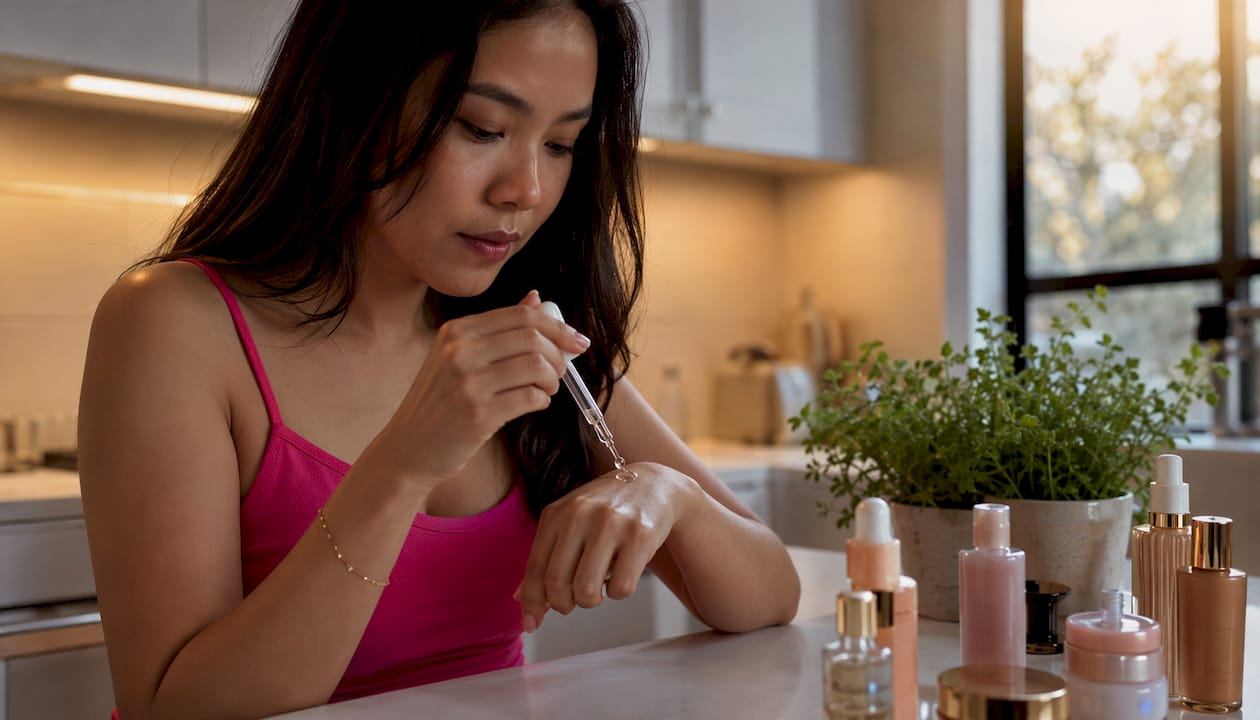
PDRN's rise is the clearest example of how Korean clinical dermatology drives global ingredient trends. Originally the active in Rejuran Healer injectables used in Seoul clinics for over a decade, PDRN is now in topical serums you can order to your door. PDRN has rapidly gained global search interest and substantial TikTok engagement in recent years, reflecting its rising popularity among skincare enthusiasts. For people dealing with retinol irritation or over-exfoliated skin, it fills a real gap: barrier-supportive, anti-inflammatory, and gentle enough for daily use.
Spicules are the tactile wildcard, fitting perfectly into tactile and scent rituals to unplug that emphasize sensory wellness and slow aging. Derived from marine sponges, these microscopic needle-like structures create micro-channels in the skin surface to help actives penetrate more effectively. Creators describe the tingling sensation on camera, and that sensory moment drives engagement. As K-beauty leans harder into treatment-inspired formats, spicule serums billed as "microneedling in a bottle" are expected to go far more mainstream through 2026.
How fermented ingredients and biomimetic peptides are redefining barrier care
Fermentation has been a K-beauty cornerstone for years, but the science behind it has genuinely advanced. Korean labs are now engineering fermented actives, including galactomyces ferment filtrate and bifida ferment lysate, so that ingredients absorb more effectively while staying gentler than traditional acids. The result is high-performance formulations that do not compromise the skin barrier, which is exactly what the "slow aging" consumer wants.
Biomimetic peptides are the next frontier. Unlike traditional peptides, they are designed to mimic the skin's own biological processes, targeting collagen production, elastic recovery, and barrier function in more specific ways. Formulators are also extending peptide technology into scalp and hair care, blurring the line between skin health and hair health in a way that opens up a whole new product category.
Pro Tip: When adding fermented actives and biomimetic peptides to your routine, layer them before heavier creams and give each product 30 seconds to absorb. Starting with one new active at a time makes it easier to spot any sensitivity before committing to a full routine.
Snow mushroom, probiotics, and Centella Asiatica: the botanicals creators keep reaching for
These three ingredients represent the heritage side of K-beauty's 2026 ingredient story, and they are anything but old news.
- Snow mushroom (Tremella fuciformis) holds water molecules in a way that rivals hyaluronic acid, while its antioxidant profile adds a layer of environmental protection. It shows up in hydrating toners, sleeping masks, and lightweight serums.
- Probiotics and bio-enzymes address the skin's microbiome directly. Probiotic-powered formulas support barrier resilience, while bio-enzymes offer gentle exfoliation without the irritation risk of AHAs. Calming toners and barrier creams are the most common formats.
- Centella Asiatica has been a K-beauty staple for years, but its active compound madecassoside is now getting its own spotlight. Madecassoside is anti-inflammatory, antioxidant, and calming, making it the go-to for redness, dryness, and barrier repair. Creators with sensitive or reactive skin recommend it constantly.
- Vegan PDRN is growing fast in clean-beauty lines. Fermentation-derived PDRN eliminates the salmon-sourcing concern entirely, and several Korean brands are now formulating with it specifically to reach vegan and sustainability-focused shoppers in the US.
Why K-beauty's layering philosophy resonates with US shoppers in 2026
The US market's appetite for K-beauty is not just about individual ingredients. It is about the layering philosophy: applying products in a deliberate sequence, from lightest to richest, so each layer supports the next. That framework gives biotech actives like NAD and NMN a natural home. Both are associated with cellular energy and longevity research, and they slot into multi-step routines as targeted treatment steps rather than standalone products.
"On TikTok Shop alone, K-beauty has grown 132% year-over-year, outpacing the platform's already strong 120% YoY overall sales growth. That kind of momentum tells us demand isn't just strong, it's accelerating as more shoppers discover the category through creators and as Korean brands mature their US strategies." — Ajay Salpekar, TikTok Shop Head of Beauty
Social commerce is the engine behind that growth. Creators who explain the layering logic, not just the individual product, build the kind of trust that converts viewers into repeat buyers. US shoppers are also drawn to the fact that K-beauty products tend to support the barrier rather than overwhelm it, which aligns with the "clean girl" and "quiet luxury" aesthetics that have dominated American beauty culture. For a deeper look at how this plays out across platforms, creator-driven K-beauty trends in 2026 show exactly how ingredient storytelling shapes purchase decisions.
How creators and Thepicks bring these trends to US shoppers
Creator content is what moves these ingredients from Seoul labs to US bathroom shelves. Over 740,000 new short K-beauty videos were created on TikTok in a single quarter in 2025, a 97% increase quarter-over-quarter. That volume is not random: creators gravitate toward ingredients with tactile, visible performance because those moments drive engagement.
- Spicule serums get filmed mid-tingle. PDRN ampoules get before-and-after comparisons. Exosome shots get layered into full-routine videos.
- Creators translate clinical language into plain English, which is what builds trust with US audiences who are curious but not dermatologists.
- The most effective creator content pairs ingredient education with honest results, not polished ads.
Thepicks connects US shoppers directly with this creator-vetted ecosystem. Every product on the platform has been tested and reviewed by real beauty creators, so you are not guessing whether a PDRN serum actually works for sensitive skin or whether a spicule formula is too intense for a beginner. Browse top picks from creator shelves to see which ingredients are getting the most creator attention right now.
Thepicks makes it easy to shop the ingredients creators actually use
Tracking down the right PDRN serum or exosome ampoule from a Korean brand you have never heard of is genuinely hard. Thepicks solves that by doing the vetting for you: every product ships directly to US customers and comes with real creator reviews, not marketing copy.

Whether you want to try your first spicule serum, add a fermented essence to your routine, or find a cica-based calming toner that a creator with your skin type has already tested, Thepicks has a shelf for it. Creators like Haley Gansel and others curate picks around exactly the ingredients covered here. Head to Thepicks to find creator-approved K-beauty products shipped straight to your door.
Key Takeaways
In 2026, the K-beauty ingredients creators follow most are regenerative actives like PDRN and exosomes, paired with fermented extracts and botanicals like cica, all within a layering philosophy that US shoppers are rapidly adopting.
| Point | Details |
|---|---|
| PDRN leads the trend | Global search interest rose over 400% since 2023; it is now in mass-market serums and ampoules. |
| Creators drive discovery | Over 740,000 new K-beauty TikTok videos were created in 2025, and TikTok Shop reported K-beauty sales grew 132% YoY, outpacing overall platform growth. |
| Slow aging is the framework | NAD, NMN, biomimetic peptides, and fermented actives all serve the same goal: long-term skin function over quick fixes. |
| Cica's active compound matters | Madecassoside, not just Centella Asiatica broadly, is the specific compound creators highlight for redness and barrier repair. |
| Thepicks curates the best | Every product on Thepicks is creator-tested, making it the fastest way to shop trending K-beauty ingredients with confidence. |