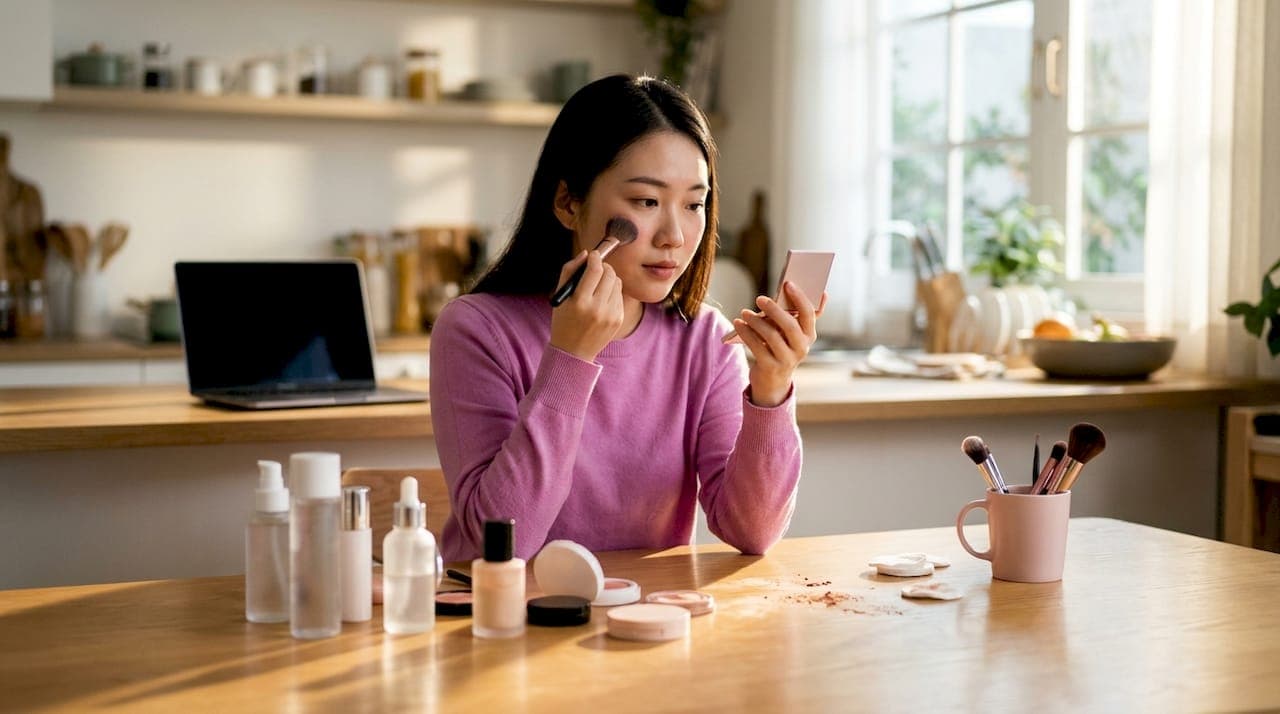
Beauty creators are the primary engine behind K-beauty's global rise, driving trends, educating consumers, and converting social media attention into real sales. The role of beauty creators in K-beauty has shifted from simple product promotion to something far more influential: they now shape what gets made, who it's made for, and how fast it sells. Affiliate creator activity accounts for 68% of brand revenue on TikTok Shop for leading K-beauty brands. That number tells you everything about where the power sits in this industry. Creators are not a marketing channel. They are the market.
What is the role of beauty creators in K-beauty marketing?
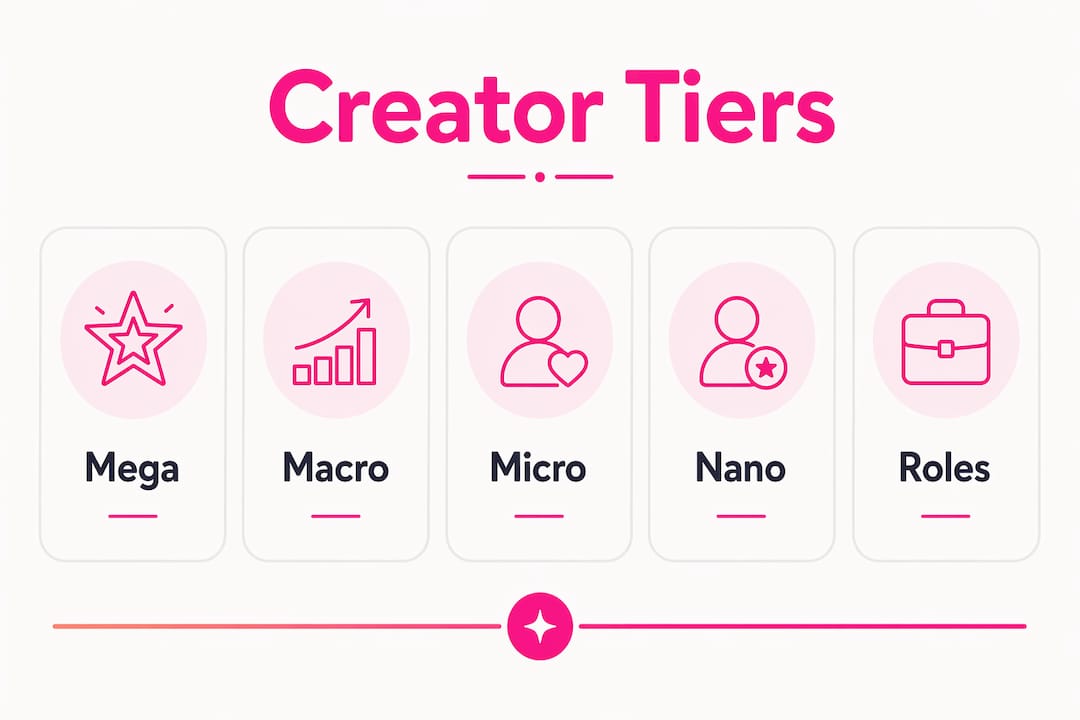
Beauty creators in K-beauty operate across three distinct tiers, and each tier does a different job. Understanding how they work together explains why K-beauty influencer marketing outperforms most other beauty categories.

Mega creators (typically over 1 million followers) build brand awareness at scale. They create the cultural moment that puts a product on the map. When a creator with millions of subscribers features a Korean sunscreen or a glass-skin serum, the brand gains instant credibility with a broad audience. The trade-off is engagement. Mega creator engagement rates declined 20% year over year, meaning their audiences watch but do not always act.
Micro creators (10,000–100,000 followers) and nano creators (under 10,000 followers) are where conversions actually happen. Micro-creator engagement rates rose 59% year over year. Nano creator sponsored posts grew 593.2% in the same period. Those figures reflect a fundamental shift: smaller audiences trust their creators more, and that trust translates directly into purchases.
- Mega creators: broad reach, brand awareness, cultural credibility
- Micro creators: high engagement, niche authority, strong conversion rates
- Nano creators: hyper-personal trust, community-driven recommendations, fastest-growing sponsored content tier
The smartest K-beauty brands run all three tiers simultaneously. A mega creator introduces the brand. A micro creator explains why it works for oily skin. A nano creator shares her honest three-week results. Together, they cover every stage of the purchase decision.
Pro Tip: When you see a K-beauty product featured by both a large creator and a smaller niche account, that overlap is rarely accidental. Brands coordinate tiered campaigns to reach you at multiple points.
Mega and nano creators drive different funnel stages, and the most effective K-beauty brands treat them as complementary, not interchangeable.
| Creator tier | Primary function | Engagement trend |
|---|---|---|
| Mega (1M+ followers) | Brand awareness and cultural reach | Down 20% YoY |
| Micro (10K–100K followers) | Niche authority and consideration | Up 59% YoY |
| Nano (under 10K followers) | Community trust and conversion | Sponsored posts up 593.2% YoY |
How do beauty creators shape K-beauty product development?
Creators have moved well past the role of reviewer. They now function as product architects, giving brands direct feedback on formulations before and after launch. This shift is most visible in the area of shade inclusivity, where K-beauty has historically struggled.
Korean beauty brands built their original product lines for East Asian skin tones. That worked domestically but created real gaps for the global market. Foundations skewed pale. Undertone options were limited. Cushion compacts often oxidized on deeper skin. Creators with diverse audiences noticed these gaps and said so publicly, loudly, and repeatedly.
- Creators with Black, Latina, and South Asian audiences documented shade failures on video, creating undeniable evidence that brands could not ignore.
- Brands began inviting creators into product development conversations, asking for feedback on undertones, textures, and wear performance across skin types.
- Some brands built olive-toned foundation ranges specifically in response to creator feedback on shade gaps.
- Creator-brand collaborations on limited edition shades became a testing ground for permanent line expansions.
The accountability loop is real. A creator with 50,000 followers posting a "does this K-beauty foundation work on my skin?" video reaches exactly the audience a brand needs to win. Ignoring that feedback is a business risk, not just a PR one.
Creators have shifted from passive reviewers to essential product architects, holding brands accountable on inclusivity. The brands that listen grow their global market share. The ones that don't lose relevance outside Korea.
This dynamic benefits you directly. The K-beauty products reaching US shelves in 2026 are more likely to work across a wider range of skin tones because creators pushed for that change. Creator-driven inclusivity efforts have made the category more useful for more people.
How does TikTok and Instagram creator content accelerate K-beauty trends?
Platform algorithms favor fresh, engaging creator content, and K-beauty thrives in that environment. Creator-driven content cycles trends rapidly, turning a single viral tutorial into a product sellout within days. The mechanism is specific: TikTok's algorithm surfaces content based on completion rate and saves, not follower count. A nano creator's honest 60-second review can outperform a mega creator's polished ad if viewers watch it twice and save it.
TikTok Shop changed the purchase path entirely. A viewer watches a creator apply a Korean essence, taps the product tag, and buys without leaving the app. That frictionless path from content to cart is why 68% of K-beauty brand revenue on TikTok Shop flows through affiliate creators. The creator is not just influencing the decision. The creator is completing the sale.
The most effective K-beauty creator content balances two approaches:
| Content type | What it does | Example format |
|---|---|---|
| Product-focused | Drives immediate purchase intent | "Get ready with me" featuring one hero product |
| Context-focused | Builds long-term brand trust | Skincare routine explanation with ingredient education |
Blending commerce with education is the defining skill of top-performing creators. Liah Yoo, a Korean-American creator with over 1.2 million YouTube subscribers, built KraveBeauty into a brand that saw 250% year-over-year sales growth by leading with education rather than promotion. Her content explained why skin barriers matter before it ever asked you to buy anything. That sequencing built trust that converted at scale.
Pro Tip: Save creator tutorials that explain the "why" behind a product, not just the "what." Educational content ages better and helps you make smarter purchases over time. You can find curated examples in K-beauty review formats that break down which styles teach the most.
Instagram still plays a role, particularly for before-and-after documentation and longer-form Reels. But TikTok's algorithm and shopping integration make it the faster trend accelerator by a wide margin.
How can you use creator content to build a better K-beauty routine?
Creator content is only useful if you know how to read it. Not all recommendations carry equal weight, and the difference between a trustworthy pick and a paid placement is often visible if you know what to look for.
- Check for disclosure. Transparent sponsored content retains credibility when creators clearly label partnerships and share honest opinions. A creator who discloses a paid post and still gives a mixed review is more trustworthy than one who never discloses anything.
- Prioritize micro creators for your specific skin concern. A creator who focuses exclusively on acne-prone skin or hyperpigmentation will give you more relevant guidance than a generalist with ten times the following. Their audience asks the same questions you do.
- Look for repeat mentions. A product that appears in a creator's routine video, a dedicated review, and a "monthly favorites" post is a genuine recommendation. A single sponsored post tells you much less.
- Match the creator's skin type to yours. Shade, undertone, and skin type context matter. A creator with dry, fair skin reviewing a matte foundation tells you almost nothing if you have oily, medium-deep skin.
- Use creator content to shortlist, then verify. Creator picks are a starting point. Cross-reference with product ratings for real results to confirm a product performs beyond the initial hype.
The creator trust factor is real, but it requires you to be an active reader of content, not a passive one. The best creators treat their audience as informed adults. Seek those out.
Key Takeaways
Beauty creators are the central force in K-beauty's global growth, driving trends, shaping products, and converting content into sales through tiered strategies that combine mega reach with micro trust.
| Point | Details |
|---|---|
| Tiered creator strategy | Mega creators build awareness; micro and nano creators drive conversions with higher engagement. |
| Affiliate revenue dominance | 68% of K-beauty brand revenue on TikTok Shop flows through affiliate creator activity. |
| Creators shape products | Creator feedback on shades and undertones directly influences K-beauty formulations for global skin types. |
| Education beats promotion | Creators who lead with education, like Liah Yoo, generate stronger long-term sales than pure promoters. |
| Smart content reading | Matching creator skin type to yours and checking for disclosure makes recommendations far more useful. |
Why I think the micro creator shift is the most important story in K-beauty right now
Most coverage of K-beauty influencer marketing focuses on the big names. The million-subscriber creators, the viral moments, the brand deals with household names. That framing misses what is actually happening at the ground level.
The 593.2% growth in nano creator sponsored posts is not a footnote. It is a structural change in how trust works online. Audiences have gotten better at detecting performance. They can feel the difference between a creator who genuinely uses a product and one who received it in a PR package two days before filming. Smaller creators, with tighter communities and more specific niches, are harder to fake. That authenticity is worth more than reach right now.
What I find most interesting is the inclusivity pressure. K-beauty brands did not voluntarily expand their shade ranges out of goodwill. They did it because creators with diverse audiences made the cost of not doing so too high. That is accountability working exactly as it should. The brands that responded fastest are now better positioned for the US market than those that waited.
The future of K-beauty creator marketing is not about finding the next mega influencer. It is about building networks of trusted voices who speak directly to specific communities. Brands that understand this will win the next five years. Consumers who understand this will make better purchases starting today.
— Minwoong
Creator-vetted K-beauty picks, ready to shop on Thepicks
Thepicks was built around exactly the dynamic this article describes. Every product on the platform has been tested and reviewed by real creators before it reaches you.
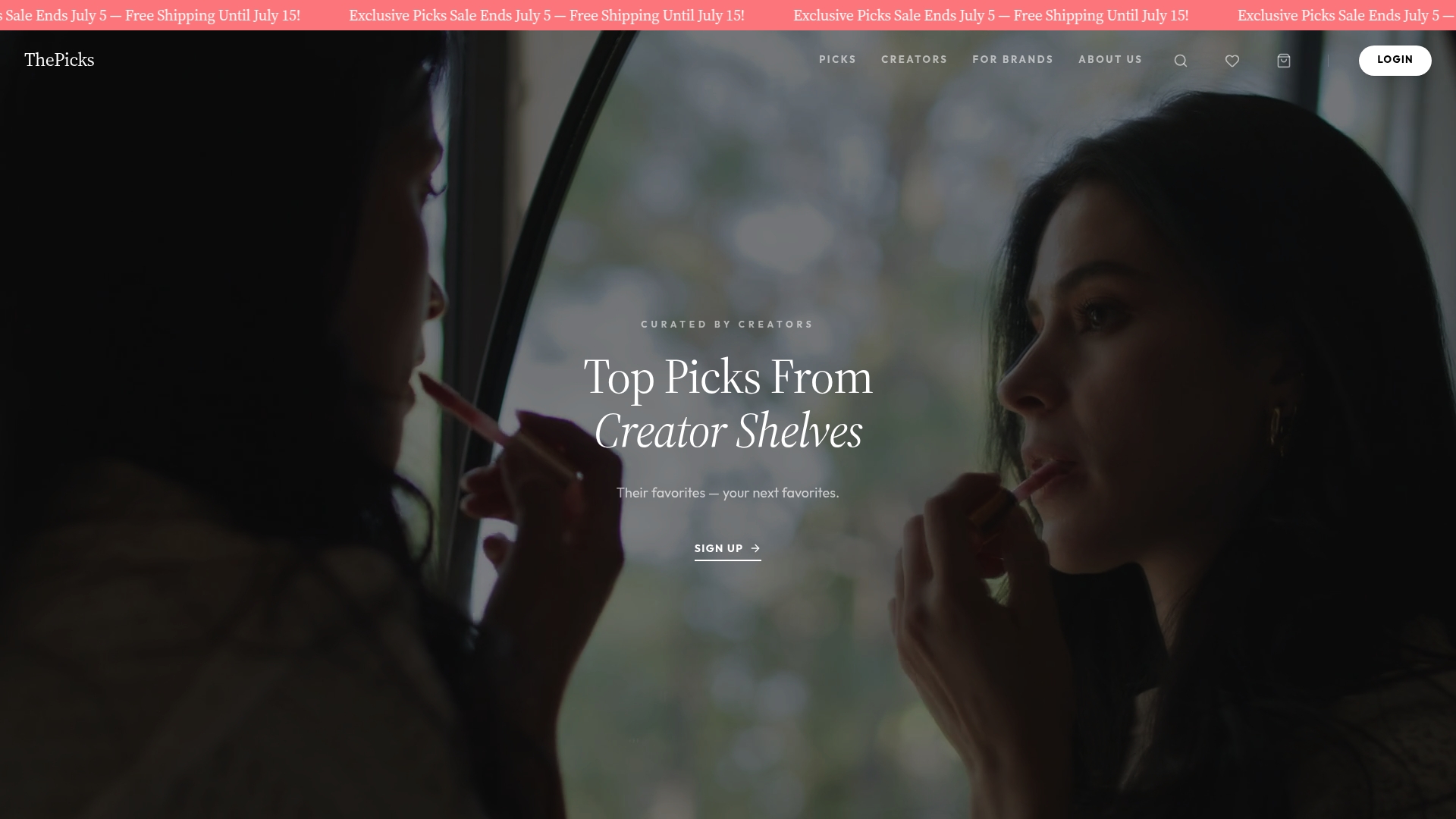
You can browse creator-curated K-beauty picks organized by the creators who actually use them. Want to see what a specific creator recommends for your skin type? Profiles like Haley Gansel's picks and Cindy Nguyen's picks give you a direct window into tested routines. Thepicks ships Korean beauty brands directly to US customers, so the products you find here are the real thing, not gray-market alternatives.
FAQ
What is the role of beauty creators in K-beauty growth?
Beauty creators drive K-beauty's international growth by educating consumers, building brand trust, and converting content into direct sales. Affiliate creator activity accounts for 68% of K-beauty brand revenue on TikTok Shop, making creators the primary sales channel for many brands.
Why do micro creators outperform mega influencers in K-beauty?
Micro creators generate higher engagement rates and stronger purchase intent because their audiences trust them more. Micro-creator engagement rose 59% year over year, while mega creator engagement declined 20% in the same period.
How do beauty creators influence K-beauty product development?
Creators provide direct feedback on shades, undertones, and textures for diverse skin types, pushing brands to expand their formulations. Some K-beauty brands have built entirely new shade ranges in response to creator-documented inclusivity gaps.
How can I tell if a creator's K-beauty recommendation is trustworthy?
Look for clear sponsorship disclosure, repeat mentions of the same product across multiple videos, and a creator whose skin type matches yours. Transparent creators who share mixed reviews on paid posts are more reliable than those who never disclose partnerships.
Which platforms drive K-beauty trends the fastest?
TikTok is the fastest trend accelerator for K-beauty, driven by its algorithm favoring high-completion content and its integrated TikTok Shop purchase path. Instagram remains relevant for before-and-after documentation and longer educational content.