
Types of K-beauty review formats are the distinct content styles and verification methods creators use to share authentic product experiences, ranging from photo-backed written posts to conversational video routines. The K-beauty review ecosystem is more structured than most Western shoppers realize. Platforms like Hwahae, with over 10 million users, and Naver's community boards set the standard for what a credible review actually looks like. Understanding these formats helps you cut through noise and shop with real confidence.
1. Types of K-beauty review formats at a glance
K-beauty review styles fall into three broad categories: photo-verified written reviews, routine-based video content, and platform-specific structured posts. Each format serves a different purpose and signals a different level of trust. Photo-verified reviews prioritize documentation and proof. Video formats prioritize context and personality. Platform-specific posts follow strict submission rules that filter out low-effort content. Knowing which format you are reading or watching changes how you should weigh the information.
2. Photo-verified written reviews
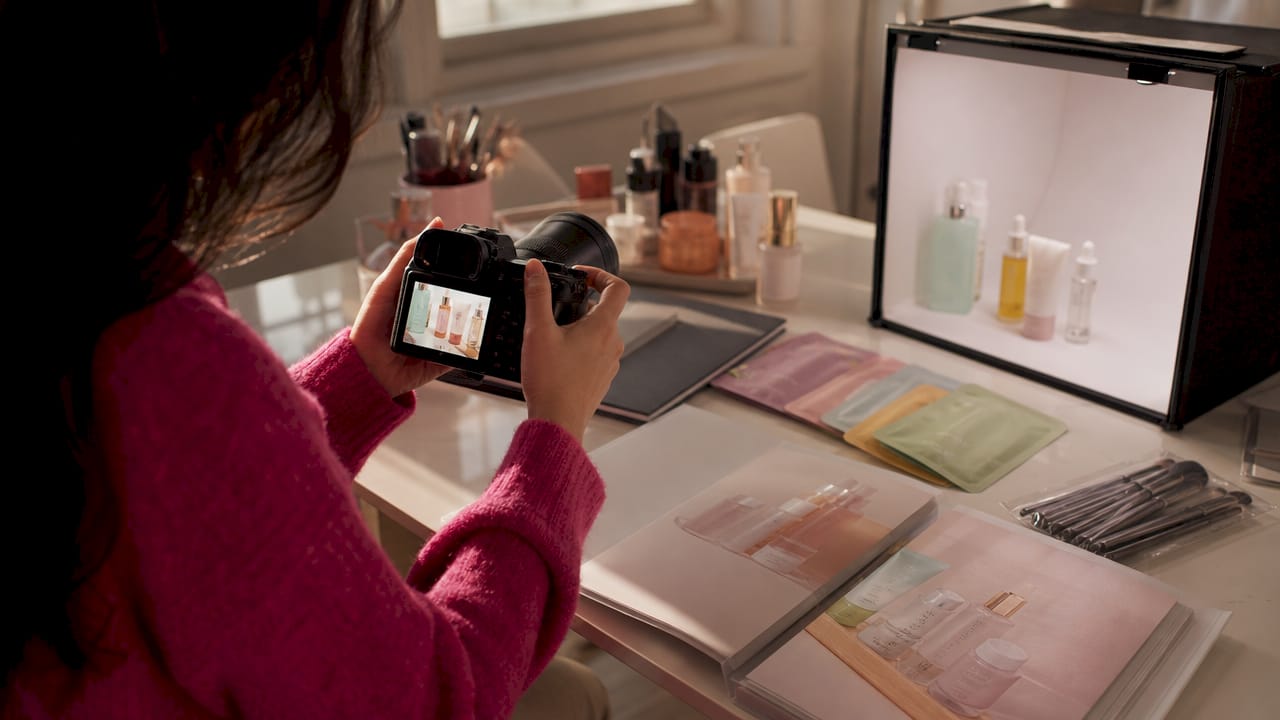
Photo-verified written reviews are the gold standard for documentation in K-beauty. These posts go far beyond a single before-and-after shot. A strong photo-verified review includes day-by-day skin photos, specific product batch numbers, and detailed notes on texture, absorption speed, and finish. The Gangnam Unni app hosts over 2.3 million receipt-verified reviews, which means every post is tied to a confirmed purchase. That level of accountability is rare in Western beauty content.
The image standards on major platforms are specific. Review submissions typically require JPEG or PNG files under 5MB, shot in natural lighting with product packaging visible alongside skin photos. This is not just an aesthetic preference. Standardized image quality makes it easier to compare results across different skin tones and types. When you see a review that meets these criteria, the visual evidence is far more reliable than a filtered selfie.
- Look for reviews that show multiple skin angles, not just the most flattering shot.
- Check whether the reviewer notes the time of day and skin condition before application.
- Prioritize posts that include the product's full ingredient list alongside the photo sequence.
Pro Tip: If a photo review shows only one image taken in artificial light, treat it as anecdotal rather than verified. Authentic K-beauty photo reviews almost always include a sequence of images taken across multiple days.
3. Routine-based video formats: GRWM and ChattyGRWM
Get Ready With Me (GRWM) videos are the most widely recognized video format in K-beauty content. A GRWM video shows a creator applying products step by step in real time, which lets you see texture, blending behavior, and finish in motion. This format reflects a core principle in Korean beauty culture: products belong in a routine, not in isolation. Watching a toner, essence, and moisturizer applied in sequence gives you far more useful information than a standalone product close-up.
ChattyGRWM is a newer evolution of the format. The creator adds conversational storytelling, personal opinions, and real-time reactions while applying products. This style improves viewer retention because the narrative keeps viewers engaged past the first 30 seconds. The format also makes it harder to fake enthusiasm. When a creator is talking freely about their day and simultaneously reacting to a product, scripted praise becomes obvious.
- Watch the full video before forming an opinion. Early reactions often differ from the creator's final verdict.
- Note whether the creator mentions how the product interacts with other steps in the routine.
- Check the comment section for viewer questions. Authentic creators answer product-specific questions directly.
- Look for videos where the creator mentions a negative or unexpected reaction. That honesty signals credibility.
"Structure in creator content enables honest, conversational reviews, which increases consumer trust and enhances purchasing decisions. Brands that use clear creator briefs see higher engagement and better-informed audiences."
The ChattyGRWM format works best when a creator has received a structured brief from the brand. Structured creator briefs give the creator context about ingredients and intended use, which makes their commentary more accurate without scripting their reaction. The result is a review that feels personal but is grounded in real product knowledge.
4. Platform-specific review standards and content features
Different K-beauty platforms enforce different submission rules, and those rules directly affect review quality. The @cosme platform requires reviewers to include texture description, scent notes, absorption speed, and timed usage results in a minimum 200-character comment. That requirement filters out one-line ratings and forces reviewers to engage with the product seriously. The result is a database of reviews that reads more like a clinical log than a social media caption.
| Platform | Key review requirement | Trust signal |
|---|---|---|
| @cosme | 200-character minimum with texture and effect details | Original images required |
| Hwahae | Community ratings with ingredient transparency | 10 million active users |
| Gangnam Unni | Receipt-verified submissions | 2.3 million verified reviews |
| Olive Young | Integrated review and checkout flow | 4–7× sales lift vs. Instagram |
| Naver Cafe | Community discussion with named sources | 68% of Korean consumers use it |
Olive Young's platform deserves special attention. Its integrated review-to-checkout flow drives 4–7 times more sales than Instagram posts for the same products. That gap exists because shoppers can read a review and purchase in the same session without leaving the platform. The trust loop is shorter, and the friction between "I believe this review" and "I bought this product" is almost zero.
Pro Tip: When researching a product, cross-reference its ratings on at least two platforms. A product with strong scores on both @cosme and Hwahae is far more likely to deliver consistent results than one with high marks on a single social platform.
5. How to assess authenticity and reliability in K-beauty reviews
Paid promotions are common in K-beauty content, and the most convincing sponsored posts are designed to look organic. The clearest signal of an authentic review is the presence of details that a paid post would never include: discomfort during application, a product that worked only after adjusting the routine, or a frank comparison to a previous product the creator preferred. Authentic reviewers include itemized costs and specific usage timelines because those details reflect real experience, not a brand script.
Korean regulations in 2026 require explicit and prominent disclosure of paid partnerships. For video content, this means both on-screen text and verbal disclosure. For written posts, the disclosure must appear at the top of the post, not buried in a caption. If a review lacks this disclosure and the creator received the product for free, that is a regulatory violation, not just an ethical lapse. Knowing this rule helps you spot non-compliant content quickly.
- Check whether the creator discloses gifted or paid status at the top of the post or within the first 10 seconds of a video.
- Look for reviews that mention a specific skin type and explain why the product did or did not work for that type.
- Cross-reference the product's performance claims against the MFDS functional approval status. MFDS approval is the only reliable certification for clinical claims on Korean products.
- Avoid relying on a single review. Consistent feedback across Hwahae, @cosme, and Naver community boards is a far stronger signal than one viral post.
- Treat reviews with only positive language and no mention of limitations as low-reliability sources.
Learning how to rate K-beauty products for your own skin type is the most practical skill you can build. Once you understand what a credible review looks like, you stop relying on follower counts and start relying on evidence.
Key takeaways
The most reliable K-beauty reviews combine photo documentation, routine context, and platform-verified submission standards to give shoppers evidence they can actually use.
| Point | Details |
|---|---|
| Photo verification matters | Look for multi-day image sequences in natural lighting, not single filtered shots. |
| Video format signals trust | ChattyGRWM reviews with structured briefs deliver more honest, context-rich product feedback. |
| Platform rules filter quality | @cosme and Gangnam Unni enforce submission standards that eliminate low-effort content. |
| Disclosure is a legal requirement | Korean regulations in 2026 require top-of-post and audio/visual disclosure for paid content. |
| Cross-referencing beats single sources | Consistent ratings across Hwahae, @cosme, and Naver are the strongest reliability signal. |
Why I think most shoppers are reading K-beauty reviews wrong
Most shoppers scan for a star rating and move on. That habit works fine for commodity products, but it fails completely in K-beauty, where a product's performance depends heavily on where it sits in your routine and what your skin barrier looks like that week.
The shift I find most significant in 2026 is the move toward context-first reviews. The best creators no longer review a serum in isolation. They show you the full routine, explain what they applied before it, and describe how their skin felt three days in. That context is the actual review. The product name is almost secondary.
What I have noticed from watching hundreds of K-beauty videos is that the ChattyGRWM format catches things that scripted reviews miss. When a creator is talking freely and applying a product at the same time, their real reaction shows up in their voice before their words catch up. A slight pause, a surprised "oh," or a quick "hmm, that's thicker than I expected" tells you more than a polished voiceover ever could.
My honest advice: stop filtering for creators with the most followers and start filtering for creators who show their full routine, name their skin type clearly, and mention at least one thing a product did not do well. That combination is rare, and when you find it, the review is worth reading twice. Thepicks curates exactly this kind of creator content, which is why I think it is a better starting point than a general search.
— Minwoong
Trusted K-beauty picks, backed by real creator reviews
Finding K-beauty products that actually work for your skin type is much easier when the reviews come from creators who tested the products themselves, not from anonymous ratings.
Thepicks connects US shoppers with curated Korean beauty products recommended by creators who have used them in their real routines. Every product on the platform has been tested and reviewed before it appears on a creator's shelf. You can browse top creator picks to find products organized by skin type and routine step, or explore individual shelves like Cindy Nguyen's picks for a more personal recommendation. Thepicks ships directly to US customers, so the products you find are actually available to you.
FAQ
What are the main types of K-beauty review formats?
The main formats are photo-verified written reviews, routine-based video content (GRWM and ChattyGRWM), and structured platform posts on sites like @cosme, Hwahae, and Olive Young. Each format uses different verification methods and serves a different research purpose.
How do I know if a K-beauty review is authentic?
Look for itemized costs, multi-day photo sequences, honest mentions of limitations, and explicit sponsorship disclosure at the top of the post. Authentic reviews also include specific skin type information and routine context.
What is a ChattyGRWM video?
A ChattyGRWM video is a Get Ready With Me format where the creator adds conversational storytelling and real-time opinions while applying products. The format improves viewer retention and makes scripted praise easier to detect.
Which K-beauty review platform is most reliable?
Gangnam Unni and @cosme are the most reliable for written reviews because both enforce strict submission standards, including receipt verification and minimum character counts. Cross-referencing both platforms with Naver community boards gives the strongest reliability signal.
Do K-beauty creators have to disclose paid partnerships?
Korean regulations in 2026 require explicit disclosure at the top of written posts and both on-screen and verbal disclosure in video content. A review without this disclosure for gifted or paid products violates Korean advertising law.