
Creator-recommended skincare is defined as products that real content creators have personally tested, used in their routines, and reviewed with ingredient-level transparency before recommending to their audience. This is different from paid celebrity endorsements or brand-sponsored posts where the creator may never have touched the product. For US skincare enthusiasts aged 18–34, the ability to find creator-recommended skincare products that match your actual skin type cuts through the noise of generic marketing. Founder-led content is 68% more trusted than standard influencer endorsements. That gap in trust is the entire reason creator-led skincare discovery has become the dominant way younger shoppers make purchasing decisions.
How to find creator-recommended skincare products you can trust
Not all creators are equal when it comes to skincare advice. The most reliable recommendations come from a clear hierarchy: founder-led storytelling sits at the top, followed by micro-influencer routine content, with celebrity endorsements at the bottom.

Founder-led creators are people who built a brand or a platform around their own skin struggles. They explain why a product works, not just that it works. Micro-influencers, typically those with 10,000–100,000 followers, produce the next most credible content because their audiences are niche and their routines are personal. Routine-led content like GRWM videos reduces purchase cost per acquisition by 14% compared to polished brand campaigns. That number reflects real consumer behavior: people buy when they see a product used in context, not staged.
The de-influencing trend has made this hierarchy even clearer. De-influencing shifts authority from celebrity hype to candid creator voices, with Gen Z creators actively recommending against overhyped products. This is a signal worth paying attention to. When a creator tells you not to buy something, their positive recommendations carry far more weight.
To find the right creators for your skin type, use these filters:
- Content style: Look for creators who show their full routine, not just a single product reveal.
- Audience alignment: A creator whose audience shares your skin type, age range, and concerns is more relevant than one with a larger but generic following.
- Engagement quality: Comments asking ingredient questions or sharing personal results signal a genuinely informed audience.
- Hashtag search: Use tags like #skincareRoutine, #GRWM, #deinfluencing, and #KBeauty on TikTok and Instagram to surface routine-based content.
Pro Tip: Check whether a creator's recommendations are consistent over time. If they praised a product six months ago and quietly stopped mentioning it, that tells you something.
How do you vet creator-recommended skincare for safety and effectiveness?
The single biggest mistake shoppers make is trusting a creator's description of a product instead of evaluating the formula itself. Describing texture is not the same as clinical efficacy. Vetting should focus on actives and scientific evaluation, not how a product feels in the creator's hand.
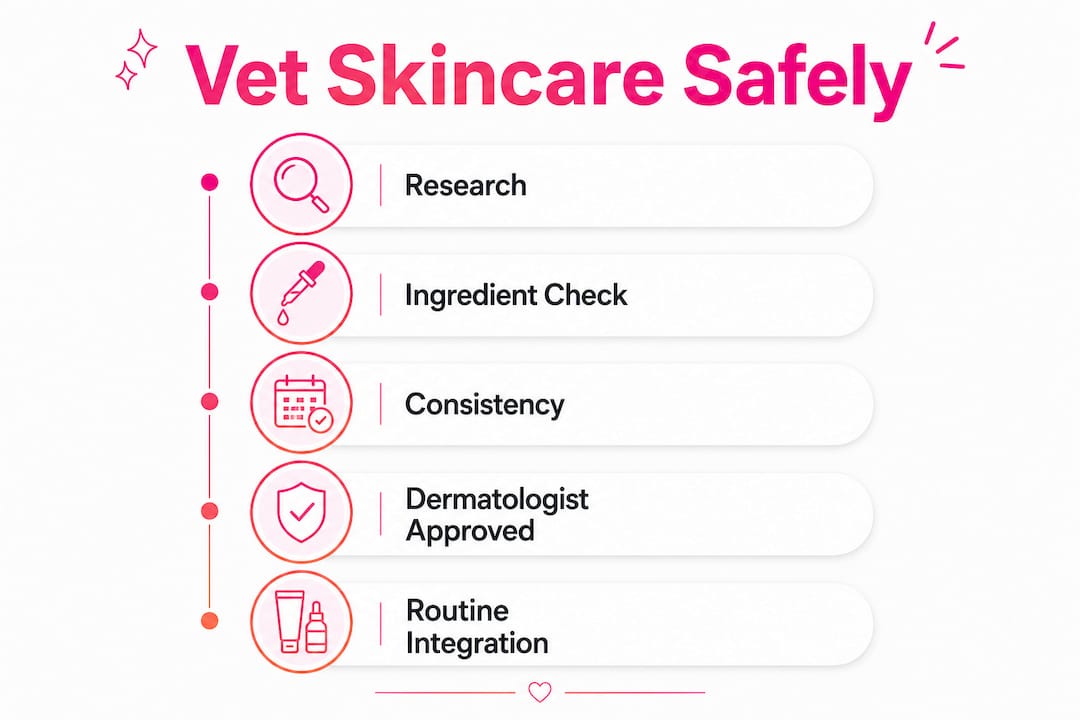
A practical vetting framework covers five areas:
- Full INCI ingredient list: The International Nomenclature of Cosmetic Ingredients list must be publicly available. If a brand hides it, that is a red flag.
- Active ingredient alignment: The actives listed should match the claims made. A "brightening" serum should contain niacinamide, vitamin C, or alpha arbutin, not just "botanical extracts."
- Irritant check: Fragrance and essential oils are leading triggers for reactions in sensitive or barrier-damaged skin. Scan the ingredient list for "parfum," "fragrance," or any essential oil before purchasing.
- Clinical testing claims: Look for phrases like "dermatologist tested," "clinically proven," or "patch tested." These are not guarantees, but they indicate the brand invested in safety evaluation.
- Usage advisories: Check whether the product includes instructions for sensitive skin, pregnancy, or prescription medication interactions. A brand that provides this information is being transparent about real-world use.
Red flags to watch for before you buy:
- Vague claims like "detoxifies skin" or "resets your complexion" with no ingredient explanation
- No ingredient list on the product page
- Multiple exfoliating acids in a single formula without a usage warning
- A creator who cannot name the key actives in a product they are recommending
Pro Tip: Cross-reference any creator-recommended product on a free ingredient analysis tool before purchasing. If the formula contains known irritants for your skin type, no amount of creator enthusiasm changes that.
Dermatologist-backed brands like CeraVe and La Roche-Posay top Gen Z influencer mentions precisely because they lead with ingredient education. That pattern is not a coincidence. It reflects what actually builds lasting trust with an informed audience.
How to build a routine using creator picks without overcomplicating it
The clinical foundation for an effective skincare routine is a pH-balanced cleanser, a ceramide-rich moisturizer, and SPF 50+ applied daily. Dermatologists recommend establishing this stable base before introducing any actives. This framework gives you a reliable structure to layer creator recommendations onto without risking irritation.
Once your base is stable, you can introduce actives like retinoids and peptides gradually. The rule is one new product at a time, with at least two weeks between introductions. This way, if a reaction occurs, you know exactly which product caused it.
Creator routine content works best as an educational tool, not a shopping list. Watch how a creator sequences their products, how they describe skin reactions, and how long they have been using something before recommending it. Creator fit matters as much as production quality in authentic content. A creator whose skin type, climate, and concerns match yours will give you more useful information than a polished video from someone with different baseline skin.
"Minimalist skincare routines grounded in a stable foundation of cleanser, moisturizer, and SPF outperform overly complex regimens. Introducing active ingredients like retinoids and peptides only after establishing skin barrier health is the approach dermatologists consistently recommend."
Practical steps for integrating creator picks into your routine:
- Start with your three-step base before adding anything new.
- Introduce one creator-recommended active at a time.
- Patch test every new product on your inner arm for 48 hours before applying it to your face.
- Avoid layering multiple exfoliants, retinoids, or high-pH products in the same routine.
- Adapt recommendations to your climate. A creator in humid Seoul may use a lighter moisturizer than someone in dry Denver.
Common mistakes when following creator skincare recommendations
The most common mistake is equating a creator's clear skin with dermatology expertise. Good skin can come from genetics, professional treatments, or lighting. It does not mean the creator understands ingredient chemistry or your specific skin barrier.
A second mistake is chasing hype. Brands using hybrid content approaches that combine founder-led, micro-influencer, and user-generated content generate 12–20x higher ROI than those relying on macro-influencer endorsements alone. The brands that invest in education over hype are the ones worth paying attention to. A product with 50 creator mentions in one week is more likely a paid campaign than a genuine community discovery.
Watch out for these specific pitfalls:
- Skipping patch testing because a creator said the product is "gentle for all skin types." No product is universal.
- Ignoring ingredient incompatibilities. Vitamin C and niacinamide, retinol and AHAs, or benzoyl peroxide and retinol can interact badly when layered.
- Buying based on packaging aesthetics. A beautiful bottle does not predict formula quality.
- Following creators outside your skin type. A routine built for oily skin will not translate to dry or combination skin without adjustment.
The role of creator trust in purchasing decisions is real, but trust should be earned through demonstrated knowledge, not follower count. Patience matters here. Give a new product four to six weeks before judging its effectiveness.
Key Takeaways
Finding authentic, creator-recommended skincare products requires evaluating creator credibility, vetting ingredient formulas, and building routines on a stable clinical foundation before adding actives.
| Point | Details |
|---|---|
| Creator hierarchy matters | Founder-led and micro-influencer routine content is more credible than celebrity endorsements. |
| Vet the formula, not the hype | Always check the full INCI list and confirm actives match the product's claims. |
| Build a stable base first | Start with a cleanser, ceramide moisturizer, and SPF 50+ before adding creator-recommended actives. |
| Patch test every new product | Apply to your inner arm for 48 hours before using on your face, regardless of creator claims. |
| Match creators to your skin type | A creator whose skin type and climate match yours gives more relevant recommendations than a large-following generalist. |
Why I think most people approach creator skincare backwards
Most shoppers find a product they love on a creator's feed and then go looking for reasons to trust it. The more effective approach is the reverse: identify creators whose skin type, ingredient knowledge, and transparency you trust first, then let their recommendations guide your discovery.
I have watched the creator skincare space shift significantly over the past few years. The de-influencing movement is the most honest thing to happen to beauty content in a long time. When creators started telling their audiences to skip the $80 serum and use a $12 drugstore alternative instead, engagement went up. That tells you everything about what audiences actually want: honesty over aesthetics.
The brands that consistently earn trust, whether Korean beauty labels or Western dermatologist-backed lines, share one trait. They educate. They explain what an ingredient does, why it is in the formula, and who it is for. Creators who adopt that same approach are the ones worth following long-term. You can find creator-curated shelves on Thepicks that reflect exactly this standard, where every product has been tested and reviewed before it reaches you.
My honest advice: treat creator recommendations as a starting point, not a verdict. Use them to discover products you might not have found otherwise, then apply your own vetting process before purchasing. That combination of creator discovery and personal evaluation is what actually produces a routine that works.
— Minwoong
Thepicks makes it easier to find creator-tested K-beauty skincare
Thepicks is a K-beauty commerce platform built specifically for US shoppers who want to skip the guesswork of unverified recommendations. Every product on the platform has been tested and reviewed by real beauty creators before it appears in a shelf.

You can browse creator shelves on Thepicks organized by individual creators, so you know exactly whose routine a product came from. Creators like Cindy Nguyen curate their picks with ingredient context and honest reviews, giving you the transparency this article has been describing. Thepicks ships Korean beauty brands directly to US customers, so you get access to formulas that are genuinely popular in the K-beauty community, not just trending on social media. If you want creator-backed skincare that has actually been vetted, this is where to start.
FAQ
What is creator-recommended skincare?
Creator-recommended skincare refers to products that content creators have personally tested and reviewed, typically with ingredient-level transparency, before recommending to their audience. It differs from paid endorsements because the creator's own experience with the product is central to the recommendation.
Which type of creator gives the most reliable skincare advice?
Founder-led creators and micro-influencers who produce routine-based content are the most reliable. Founder-led content is 68% more trusted than standard influencer endorsements, and micro-influencer routine content consistently outperforms polished brand campaigns in driving real purchases.
How do I know if a creator-recommended product is safe for sensitive skin?
Check the full INCI ingredient list for fragrance, essential oils, and multiple exfoliating acids, which are common irritants for sensitive skin. Always patch test a new product on your inner arm for 48 hours before applying it to your face.
How do I build a skincare routine around creator picks?
Start with a pH-balanced cleanser, a ceramide-rich moisturizer, and SPF 50+ as your base, then introduce one creator-recommended active at a time with at least two weeks between additions.
Where can I find vetted creator-recommended skincare products in the US?
Thepicks is a K-beauty platform where every product has been tested and reviewed by real creators before listing. You can browse individual creator-curated collections and shop directly with US shipping.