What you actually get from creator-curated beauty routines
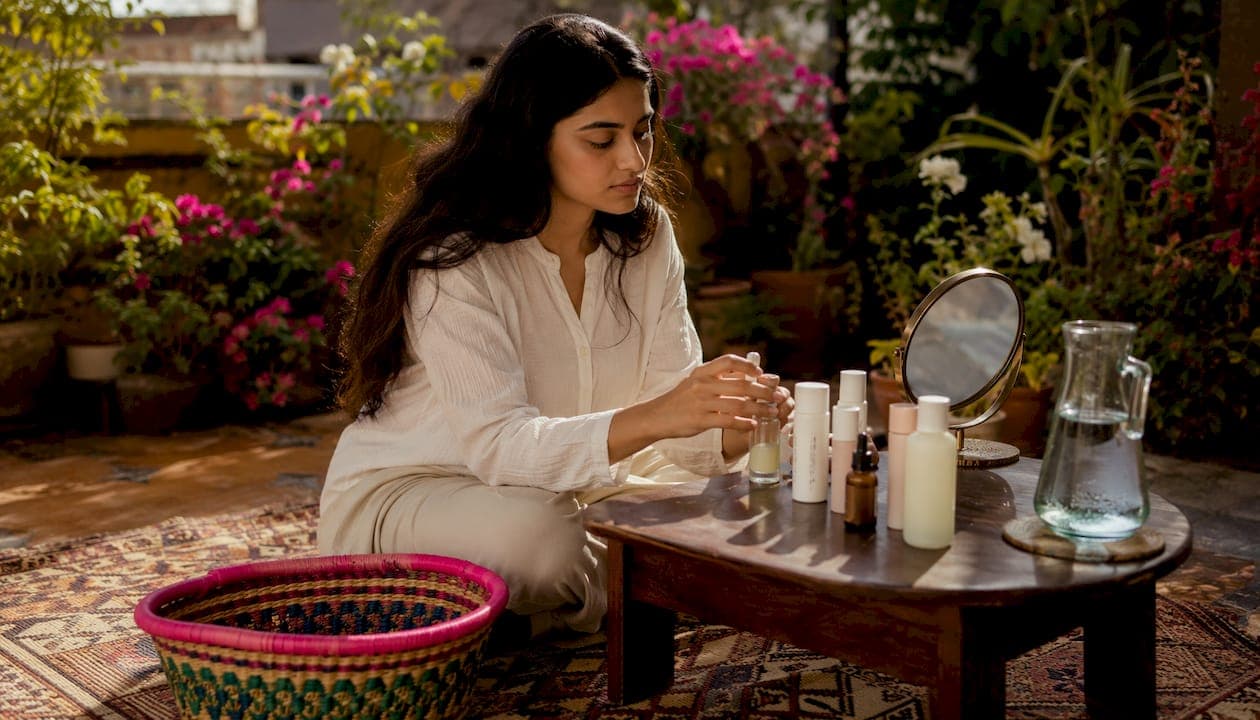
Creator-curated beauty routines do something traditional advertising never could: they show you the product working on a real person's face, in a real bathroom, with honest commentary about what happened after week three. The benefits go well beyond aesthetics.
Here is what the research and the 2026 market are confirming:
- Authenticity and trust: Creators demonstrate texture, absorption, and real-skin results across diverse skin tones, building confidence that a brand ad simply cannot replicate.
- Higher purchase confidence: Shoppers who follow creator-curated routines see a 38% higher average order value compared to single-item browsing, reflecting genuine multi-product buy-in.
- Personalization: Routines built around skin type, climate, and specific concerns outperform generic product lists because they solve the layering and compatibility questions that cause most shoppers to abandon their carts.
- Social proof: Routine-focused content generates stronger engagement than isolated product posts, and that engagement translates directly into conversion.
- Long-term skin health: Following a consistent, well-sequenced routine beats chasing individual hero products every time.
Table of Contents
- ## 1. Creators build the kind of trust that actually changes buying behavior
- 2. Routine-focused content drives engagement and conversion that product posts can't match
- 3. Personalized routines from creators produce better skincare outcomes
- 4. Creators shape beauty trends and ingredient literacy in ways brands cannot
- 5. The campaign formats that make creator routines convert
- 6. How Thepicks puts creator curation into practice
- 7. Following expert-curated routines pays off for your skin over time
- 8. Creator-curated routines vs. traditional beauty advice: what actually differs
- 9. Creator expertise and transparency make routines more effective
- Key Takeaways
- Thepicks brings creator-tested K-beauty routines to US shoppers
## 1. Creators build the kind of trust that actually changes buying behavior
The gap between a brand's claim and a shopper's belief is where most beauty marketing fails. Creators close that gap by showing rather than telling. When a creator demonstrates a serum's texture on combination skin in a humid climate, then follows up six weeks later with visible results, that sequence does more persuasive work than any campaign headline.
Transparency is the mechanism. Creators who disclose their skin type, flag potential sensitivities, and explain why they chose one ingredient over another are functioning as knowledgeable guides, not billboards. That editorial discipline builds creator trust that compounds over time. A single viral post fades; a creator who consistently explains the "why" behind a routine earns a loyal audience that buys on recommendation.
Inclusivity sharpens this further. Routine context visuals featuring diverse skin tones improve conversion rates by 15–25%, a fact that reflects something straightforward: when shoppers can see themselves in the content, they buy.
- Creators show application technique, finish, and wear time that static images cannot convey.
- Honest caveats ("this stung for the first two weeks") signal credibility, not weakness.
- Skin-type-specific framing helps shoppers self-select, reducing returns and regret purchases.
- Consistent creator voices build loyalty that outlasts any single product launch.
2. Routine-focused content drives engagement and conversion that product posts can't match
A post featuring a single moisturizer answers one question. A morning routine video answers five: what order, what pairs with what, how long each step takes, what the finish looks like, and whether it holds up under makeup. That density of useful information is why routine-focused content outperforms standard product posts on engagement and conversion.
Stat to know: Shoppers who engage with creator-curated routine content show a 38% higher average order value than those who land on single-item pages. The routine solves multiple purchase decisions in one sitting.
Social proof amplifies this. When a creator's comment section fills with "I've been using this for a month and my texture is gone," that user-generated validation stacks on top of the original recommendation. New viewers arrive at a product page already pre-sold by the community, not just the creator. Person-forward creator content also tends to outperform product-only ads on cost-per-acquisition, because the routine demonstration carries inherent trust that a clean product shot cannot manufacture.
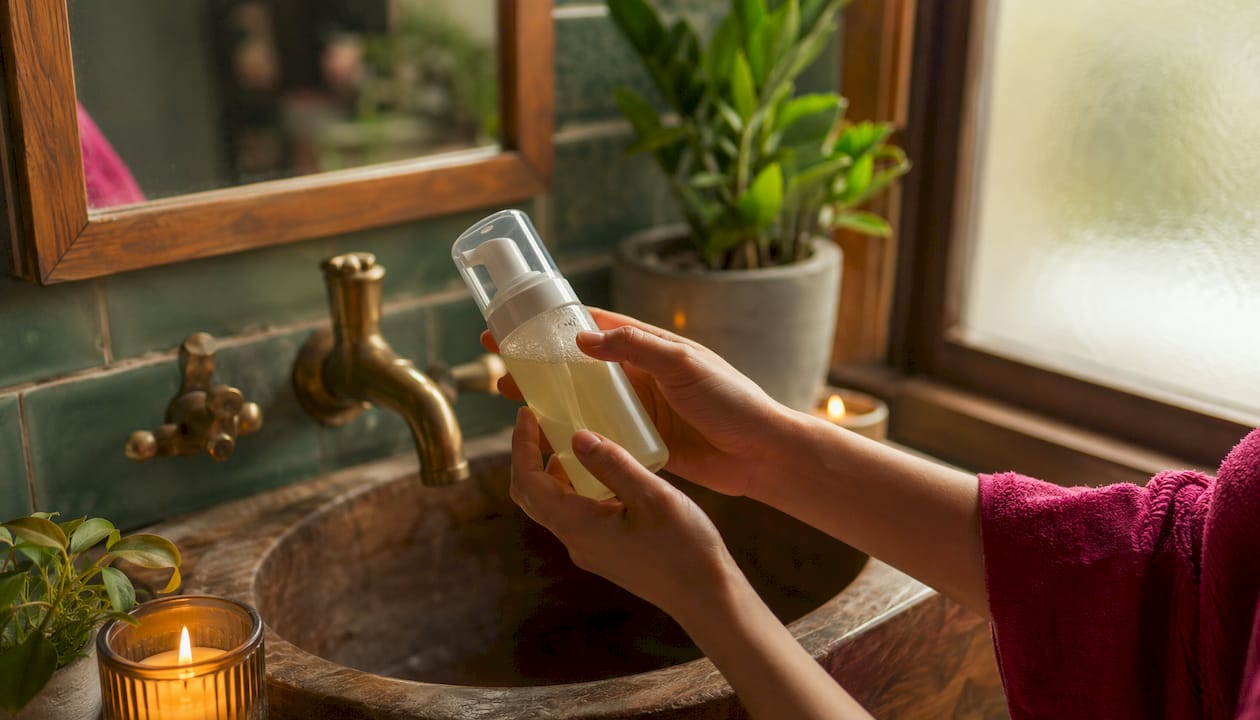
The layered, real-life setting matters too. A cleanser shown in an actual bathroom, mid-routine, next to the products it pairs with, converts better than the same cleanser on a white background. Context is the conversion driver.
3. Personalized routines from creators produce better skincare outcomes
Generic skincare advice tells you to moisturize. A creator who has oily skin in a dry Denver winter tells you which moisturizer, when to apply it, and why skipping it causes your skin to overproduce oil. That specificity is what separates creator-curated routines from the advice column in a magazine.
Experts increasingly frame effective skincare around a "barrier-first" approach: cleanse, hydrate, treat, protect, sequenced to individual skin needs rather than applied as a universal formula. Creators who understand this framework translate it into practical terms their audience can actually follow. They explain why a niacinamide serum goes before a heavier moisturizer, or why layering two actives on the same night wrecked their barrier. That ingredient literacy is genuinely useful.
Pro Tip: When building or following a creator-curated routine, look for use-case bundles rather than product lists. A "morning glow" set or a "travel kit" tells you exactly when and how to use each product together, which is what drives both routine adherence and basket size.
Creator-curated routines also reduce decision fatigue by sequencing products into a cohesive narrative. Instead of researching five individual products and hoping they layer correctly, a shopper follows a tested sequence. That confidence is why multi-item purchases follow naturally.
4. Creators shape beauty trends and ingredient literacy in ways brands cannot
Five years ago, most US shoppers could not tell you what ceramides do. Now they ask for them by name. Creators drove that shift by explaining barrier function in plain language, connecting it to real skin problems, and recommending specific products that delivered results. That pattern repeats with every new ingredient cycle: niacinamide, centella asiatica, snail mucin, and beyond.
Creator content drives ingredient literacy and trend awareness in ways that push consumers toward evidence-based routines focused on long-term skin health rather than viral product chasing. The creator who explains why a product works earns more durable influence than the one who just shows the before-and-after.
- Seasonal routine shifts ("switching to a richer moisturizer for fall") keep audiences engaged year-round.
- Inclusivity-focused creators expand the market by addressing skin tones and concerns that mainstream brands historically ignored.
- Ingredient-literate audiences become loyal repeat buyers because they understand what they need, not just what is trending.
- Creators who track their own skin progress over months model the consistency that actually produces results.
This is also where K-beauty trends in 2026 are being set: not by brand launches, but by creators who test, explain, and contextualize new formulations for their specific audiences.
5. The campaign formats that make creator routines convert
Not every creator format works equally well for every shopper. Morning routine videos work for someone building a new regimen from scratch. Texture demos answer the "but will this feel heavy?" question that kills conversion on moisturizers. Shade-matching content solves the single biggest barrier to foundation purchases. Travel kit roundups reach a shopper with a specific, time-bound need.
The brands and platforms that win in 2026 are not the ones that found one perfect creator video. They are the ones that built repeatable systems by testing multiple creators and formats, then scaling what performed.
- Morning and evening routines: Show the full sequence, timing, and product order for different skin types.
- Texture demos: Address the tactile questions that photos cannot answer.
- Shade matching: Reduce the single biggest hesitation in complexion purchases.
- Travel kits and use-case bundles: Reach shoppers with specific, immediate needs.
- First impressions and follow-ups: The combination of initial reaction and 30-day update builds the most durable trust.
The key is treating creator content as a system, not a one-off. A creator who posts a morning routine in January, a winter skin recovery kit in February, and a "what I actually use daily" update in March is building a content architecture that serves shoppers at different stages of intent.
6. How Thepicks puts creator curation into practice
Thepicks is built on a straightforward premise: every K-beauty product on the platform has been tested and reviewed by a real creator before it reaches a US shopper. That is a different model from a marketplace where products are listed by availability. On Thepicks, the creator's experience with the product is the entry point.
- Every product is creator-tested, so shoppers get honest texture notes, skin-type caveats, and routine context alongside the listing.
- Creator shelves let shoppers browse by the person whose skin and preferences they trust, not just by product category.
- Routines are presented as cohesive systems, with layering guidance built in, so the "what goes with what" question is already answered.
- The platform ships Korean beauty brands directly to US customers, removing the sourcing friction that typically comes with K-beauty discovery.
For shoppers who want to discover creator-curated K-beauty routines without spending hours cross-referencing ingredient lists, Thepicks functions as a pre-filtered starting point. The curation has already happened; the shopper just needs to find the creator whose skin story matches theirs.
7. Following expert-curated routines pays off for your skin over time
The most consistent finding across dermatology research and creator-documented skin journeys is the same: a simple routine done every day outperforms a complex one done occasionally. Skin cell turnover runs on roughly a 28-day cycle, and most actives need 8–12 weeks to show their real results. That timeline only works if the routine actually gets followed.
Expert-curated routines improve adherence because they remove the daily decision-making. When a creator has already tested the sequence, confirmed the ingredient compatibility, and explained the logic, a shopper does not have to re-evaluate every morning. The routine becomes automatic, and consistency is what produces the long-term results: improved barrier function, reduced hyperpigmentation, better hydration retention, and the kind of skin health that does not require heavy coverage to look good.
The barrier-first philosophy that underpins the best K-beauty routines, cleanse, hydrate, treat, protect, is also the framework most likely to prevent the over-exfoliation and barrier damage that dermatologists see most often in self-assembled routines. Following a creator who understands this framework is, practically speaking, a form of harm reduction.
8. Creator-curated routines vs. traditional beauty advice: what actually differs
Traditional beauty advice, whether from a magazine, a brand website, or a department store counter, is built around products the publisher has a financial interest in selling. The advice is often generic by design: "suitable for all skin types" covers the widest possible audience but helps no one specifically.
Creator-curated routines operate differently. A creator has skin. They have tried the product on that skin, in their climate, with their water quality and their stress levels. When they say a particular toner works for oily skin in humid summers, that is a scoped, tested claim, not a marketing line. The specificity is the value.
The other structural difference is accountability. A brand ad has no comment section. A creator's routine video does, and that comment section is where real-world variation gets documented: "this broke me out," "worked differently on my darker skin tone," "the scent was too strong for my sensitivity." That feedback loop makes creator content self-correcting in a way that traditional advertising is not. Shoppers who understand beauty creator content recognize this distinction quickly.
9. Creator expertise and transparency make routines more effective
A creator who explains the "why" behind each step is not just being thorough. They are solving the compliance problem. Shoppers who understand that skipping the toner step means the serum absorbs less effectively are more likely to complete the full routine. Education drives adherence, and adherence drives results.

Transparency about failures matters equally. A creator who says "I used this retinoid three nights in a row and my barrier was wrecked for two weeks" is giving their audience genuinely useful dosing information. That kind of honesty is what separates a trusted guide from a promotional account, and it is what makes the creator's recommendations worth following when a new product launches.
Expertise also shapes the routine architecture itself. Creators who understand ingredient interactions, layering order, and the difference between AM and PM protocols build routines that are safer and more effective than anything assembled from individual product pages. That competence is visible in the content, and shoppers recognize it.
Key Takeaways
Creator-curated beauty routines deliver measurably higher purchase confidence, better routine adherence, and stronger long-term skin outcomes than generic product recommendations.
| Point | Details |
|---|---|
| AOV uplift is real | Shoppers following creator-curated routines show 38% higher average order value versus single-item browsing. |
| Inclusivity converts | Routine visuals with diverse skin tones improve conversion rates by 15–25%, making representation a commercial advantage. |
| Barrier-first sequencing | Expert-curated routines built on cleanse, hydrate, treat, protect reduce barrier damage and improve long-term skin health. |
| Systems beat one-off posts | Brands and platforms that test multiple creators and formats build repeatable content systems that outperform single viral videos. |
| Thepicks as a starting point | Every product on Thepicks is creator-tested before it reaches US shoppers, giving routines built-in transparency and layering guidance. |
Thepicks brings creator-tested K-beauty routines to US shoppers
If the article made one thing clear, it is that the quality of curation matters as much as the quality of the products. A well-sequenced, creator-tested routine is worth more than a cart full of individually hyped items that nobody has confirmed work together.
Thepicks is where that curation already exists. Every K-beauty product on the platform has been tested and reviewed by a real creator, so the texture notes, skin-type guidance, and layering advice come with the listing. You are not assembling a routine from scratch; you are starting from a tested foundation. Browse creator picks and routines to find a shelf that matches your skin type and concerns, and shop Korean beauty brands shipped directly to the US, without the guesswork that comes with generic marketplaces.